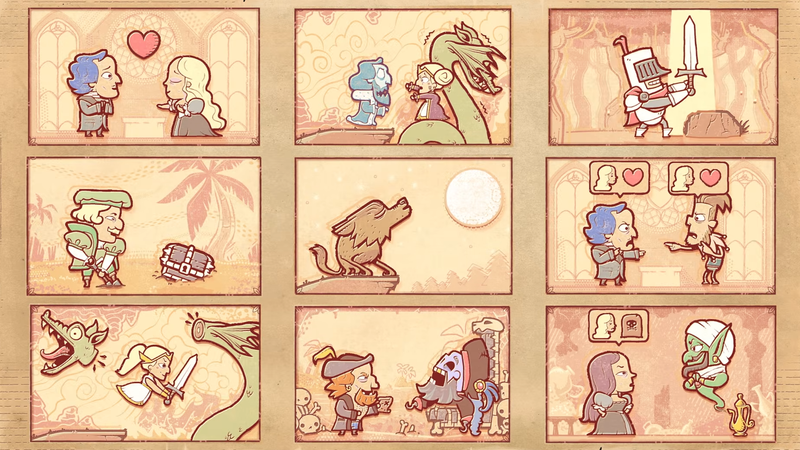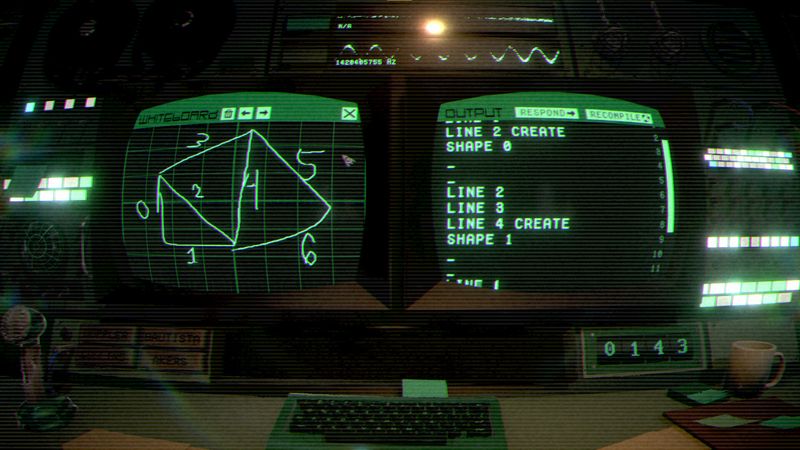



The next big game from the studio behind The Witness has been revealed: Order of the Sinking Star is a grand puzzle adventure, connecting multiple fantasy lands together as characters journey far and wide, running into all kinds of unexpected phenomena.
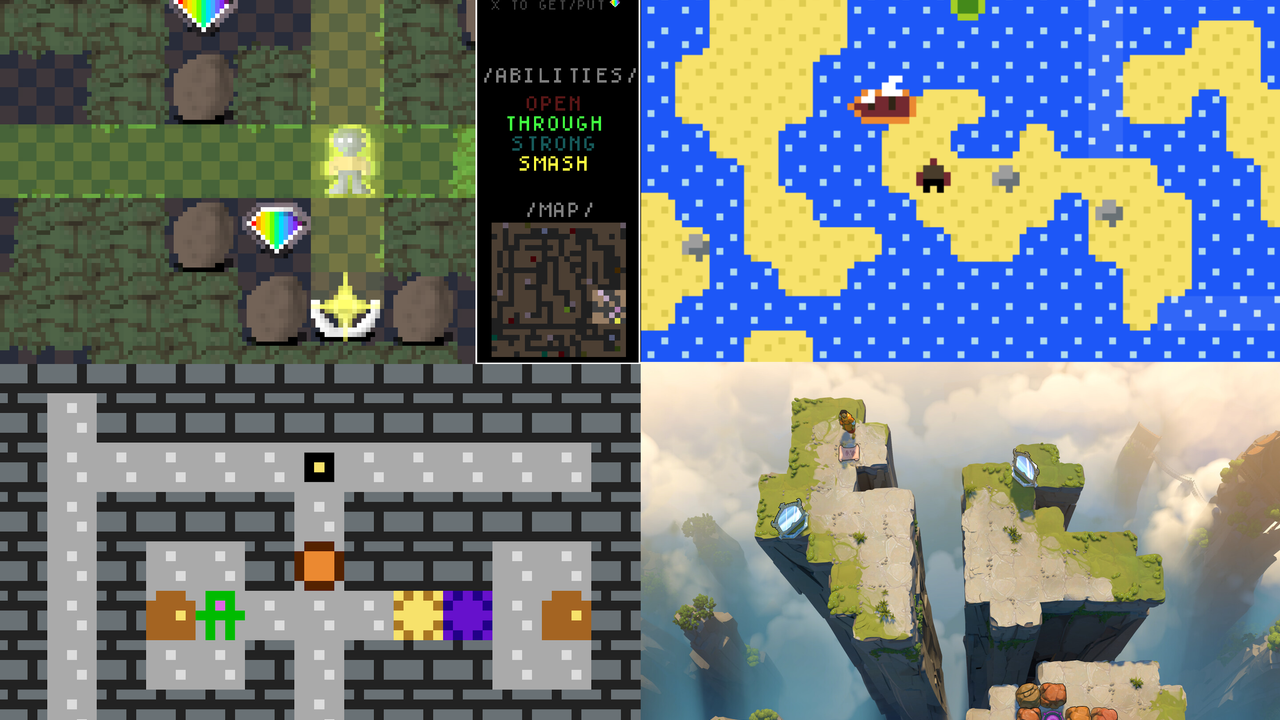
The overall design is unique in that it's built on top of many other smaller games, free puzzles that were licensed to be expanded and smashed together into the fusion of mechanics that form the central concepts of Sinking Star. Today I'd like to shine some light on these brilliant small games from the past that are being reinvented and combined in new ways:
Promesst & Promesst 2
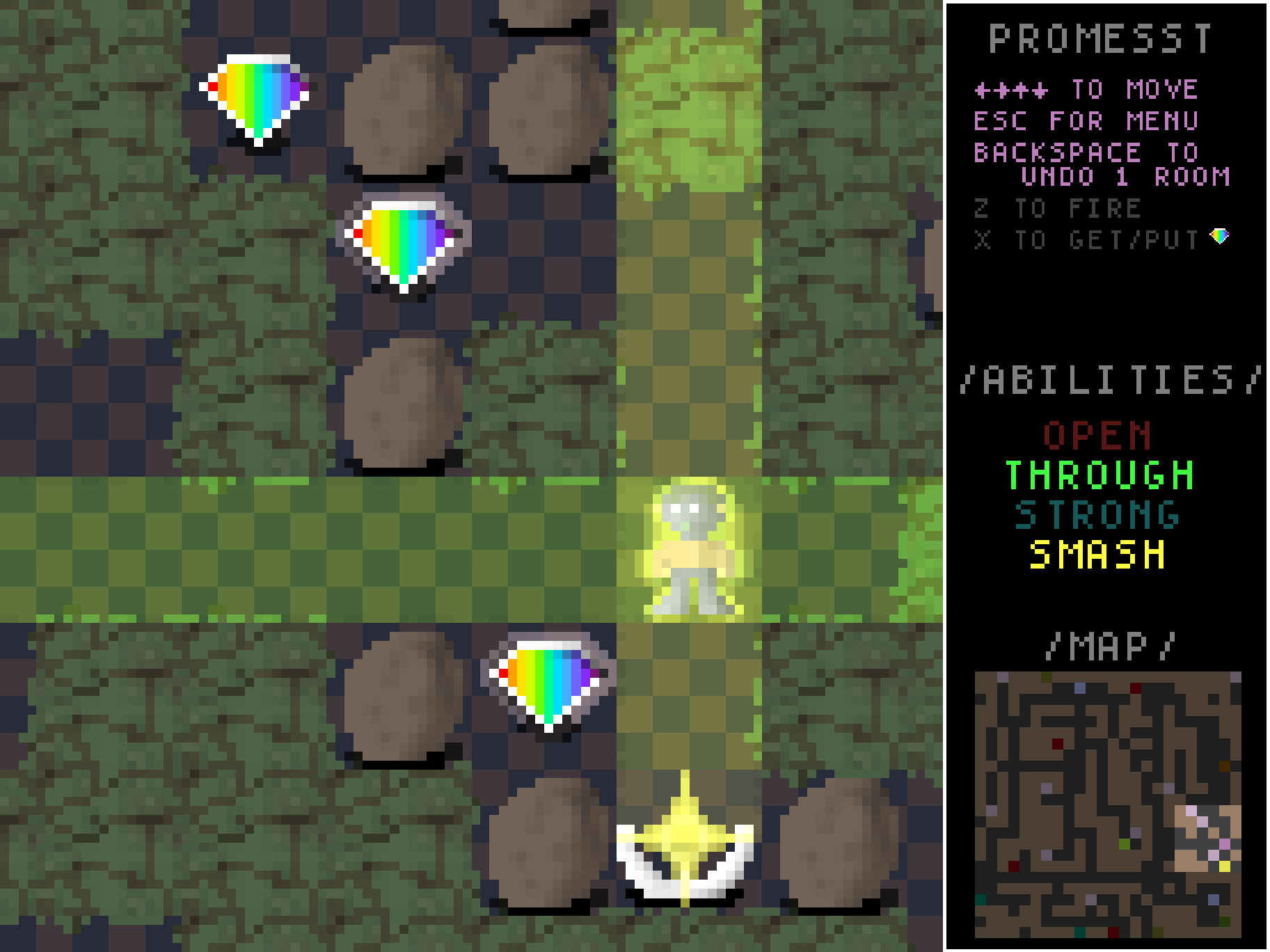
The Promesst games are puzzle adventures with a classic feel: rather than individual separate levels that each contain one isolated puzzle to solve, these take after older games with big interconnected maps where you need to progress room to room and slowly explore all the pathways and corners of a maze-like world. You're collecting gems and carrying them around to place into pedestals from which they'll send out beams of colored light. Standing in different colors gives you different abilities from a long list, like moving through walls and smashing boulders blocking your path.
These games have a bit of a strange, janky feel with some friction and challenge to them that doesn't at all take away from the very smart puzzling they ask of you. They're directly inspired by Corrypt from Michael Brough, one of my favorite game designers, a similar game with similar vibes that helps to explain this odd feeling present in Promesst. Any of these titles is worth your time if you want to really dig into something.
Mirror Isles & Skipping Stones to Lonely Homes
The next two games being combined into Order of the Sinking Star are from a name that's well known around these parts: Alan Hazelden (aka Draknek) has been designing bonafide puzzle game classics for years now, such as the sprawling A Monster's Expedition, and has in recent times been moving into publishing as well, helping great games find wider audiences.
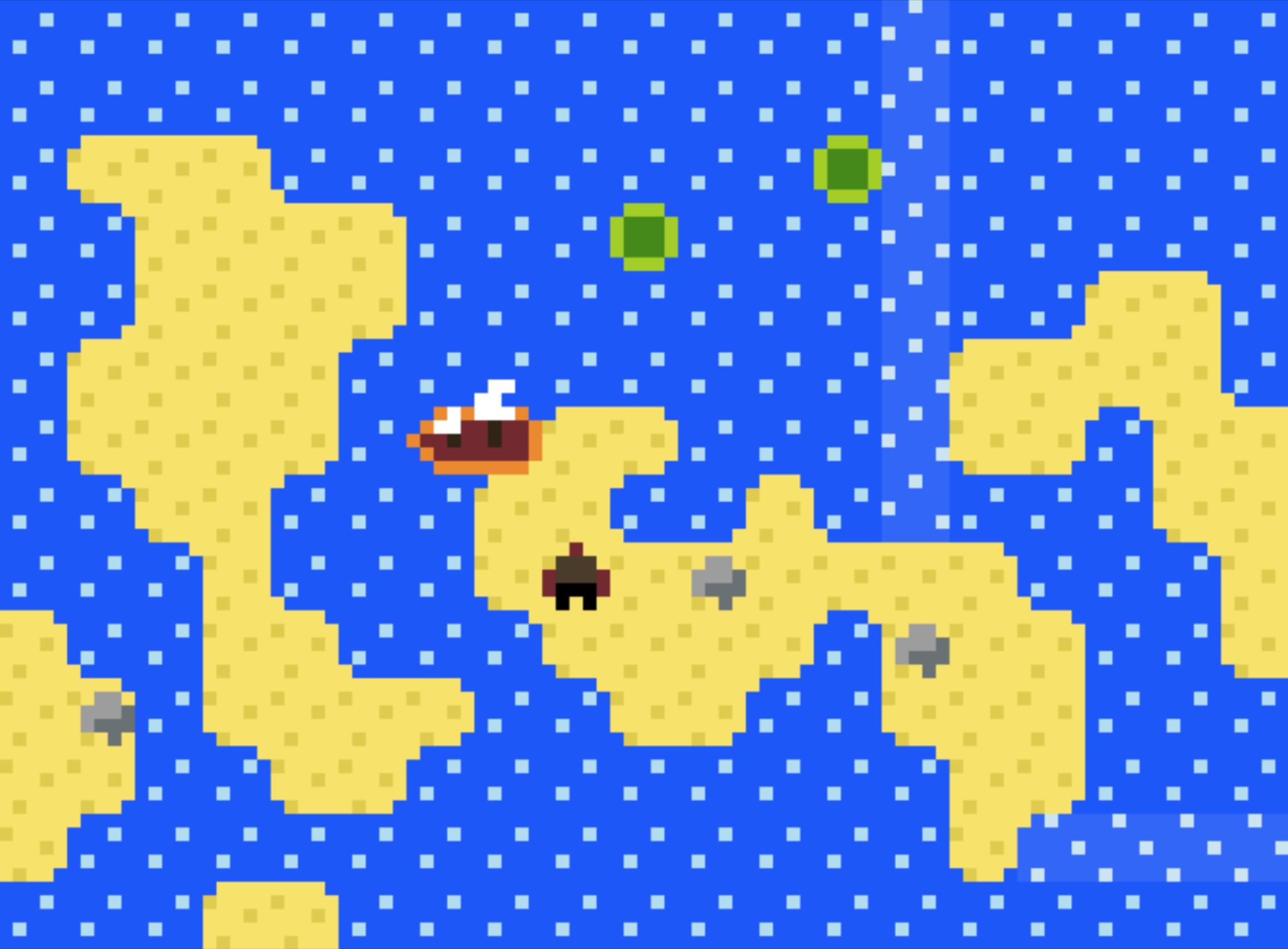
Mirror Isles & Skipping Stones are both early, free webgames from Alan's catalogue. They're essentially miniature prototype versions of game concepts, made with the tool PuzzleScript, and sometimes these small games turn into big commercial games down the line. Both of these are well-loved in the puzzle webgame space: in Mirror Isles you'll push around mirrors in order to teleport yourself around little archipelagos, and in a similar setting Skipping Stones has you sending rocks and lilypads across the water, their movements rippling outwards and creating chain reactions.
Heroes of Sokoban I, II & III
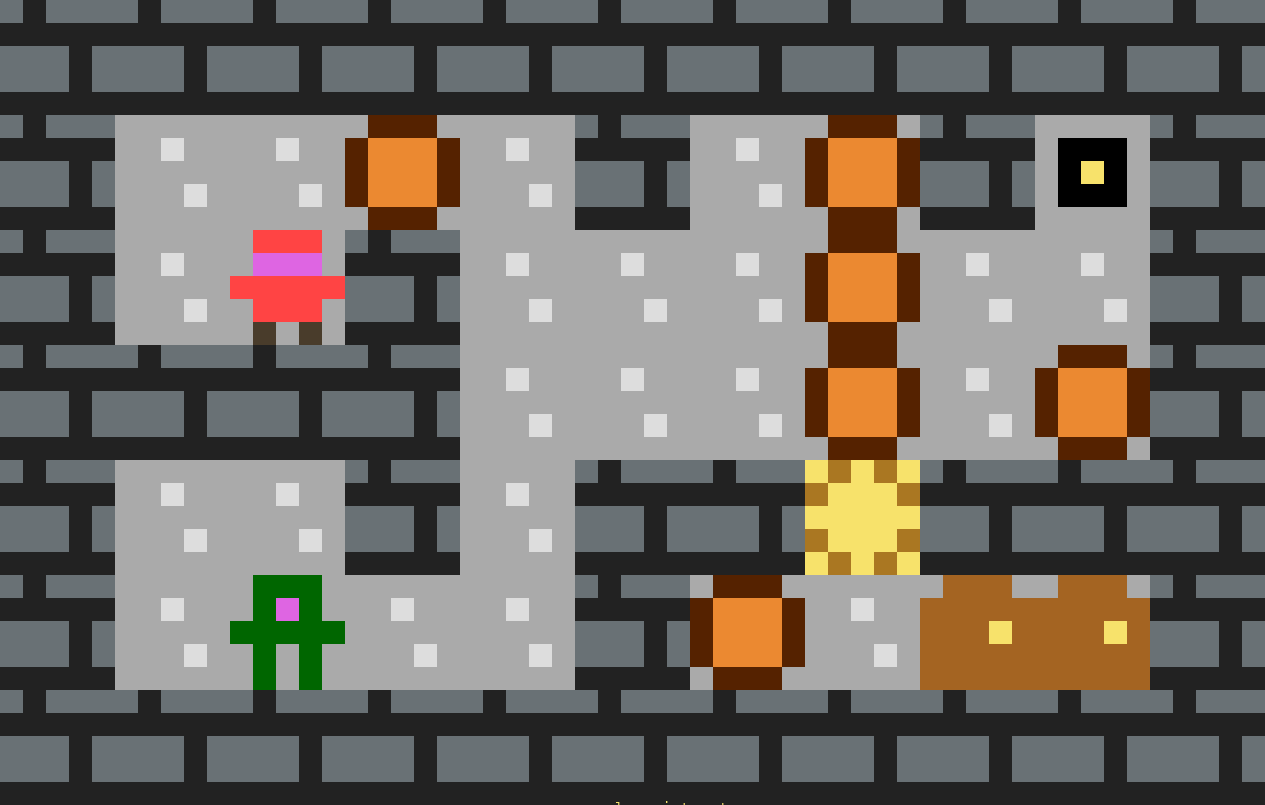
Heroes and its sequels are perhaps the smallest and most unassuming games on this list: like the previous entries they're PuzzleScript webgames you can play for free, but they're even smaller in scale than the games above. This is unabashed box-pushing puzzle territory. Your various classes of heroes interact with classic sokoban mechanics in different ways, just as we'd expect a fighter to deal with moving crates around a warehouse in different fashion than a wizard would.
In addition to the basic maneuvering blocks and holding down switches to open doors, the sequels bring some new elements to the mix: Heroes 2 introduces monsters like goblins and dragons your characters will need to dip and dodge around, and Heroes 3 subtitled "The Bard and the Druid" brings some new hero classes with new tricks. Like I said, these games are small and relatively simple. But I've always been the first to proclaim that compact, stripped down and elegant are often very positive traits when it comes to game design.
Disclaimer: Thinky Games is a Carina Thinking Games Initiative and may have professional relationships with individuals and businesses related to the subject of this article. Please see our Editorial Policy for details.