


The 6th annual Thinky Puzzle Game Jam just concluded, a community event that takes place over the course of a week and gives puzzle-makers a reason to get together and put some concepts down on paper (or whatever it is code is written on.) The team here at Thinky Games all took some idle time during our week to sample some new little webgames out of the 80+ entries submitted. Here are our thoughts about the games that most stood out to us among the crowd:
Rejected Hero
Oriane: The introduction text of this game, and even more so its puzzle design, seem to position it as a lost expansion to Jonah Ostroff’s Heroes of Sokoban trilogy. This series of block-manipulating games came out just a few weeks after PuzzleScript was released, back in 2013, and it showcased how versatile and useful this compact puzzle programming language was. To this day, PuzzleScript is still ubiquitous in the grassroots puzzle scene. As for Heroes of Sokoban, the series served as one of the main foundations for developing the upcoming behemoth adventure Order of the Sinking Star. It’s free and I encourage you to play the games — they’re still very fun!
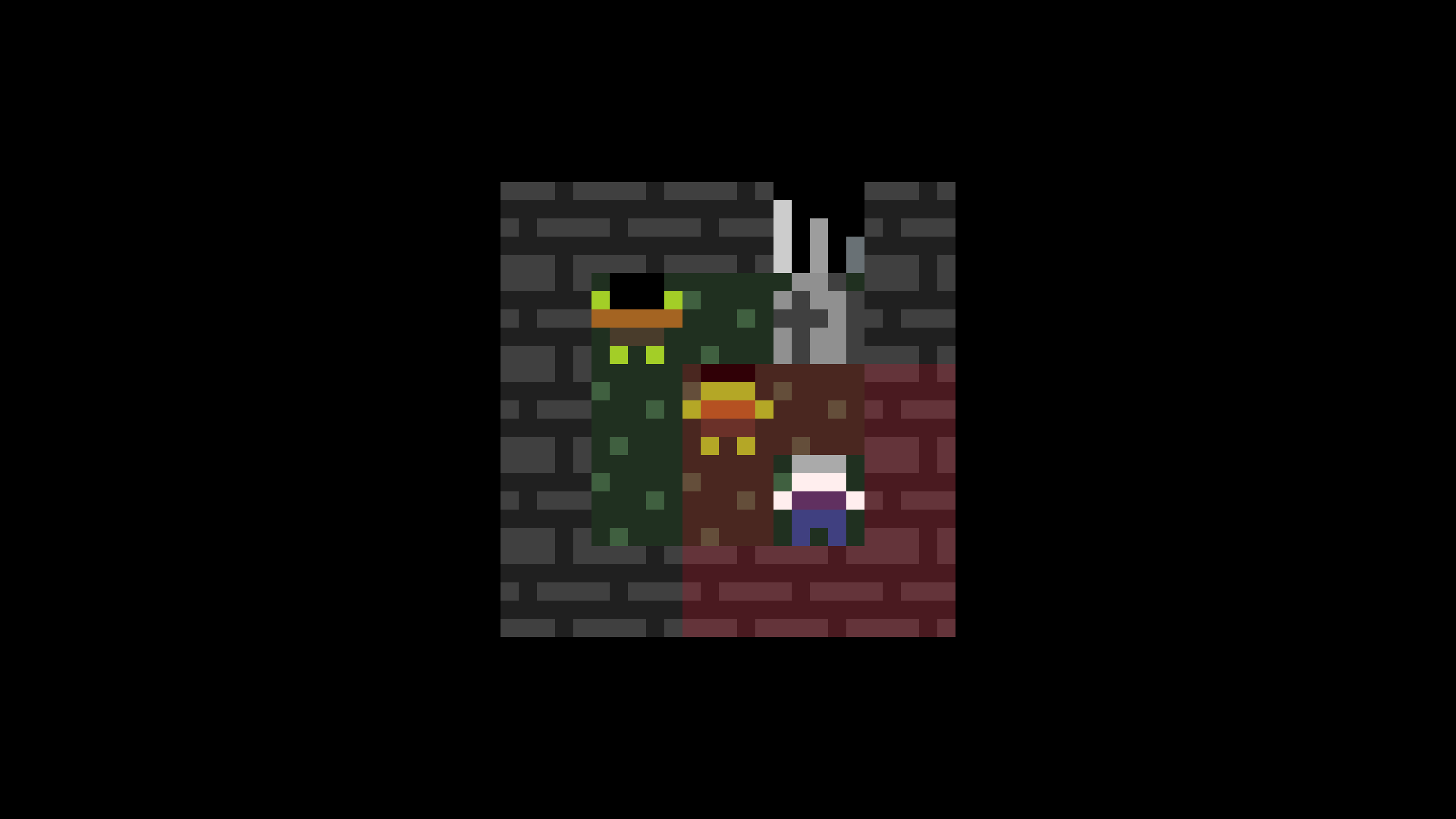
Contrary to the original Heroes who banded together in various levels, the titular character of Rejected Hero is shunned by their peers and has to deal with the puzzle rooms on their own. Admittedly, their special ability isn’t quite reputable: they’re a necromancer who can turn tombstones into (actionable) corpses. I won’t say too much about it, but I found that the character played like a twisted version of the Bard hero. The puzzle design is very neat, with rooms so condensed that, even when you get into a dead end, you know that the satisfaction of clearing the level is only a few different moves away.
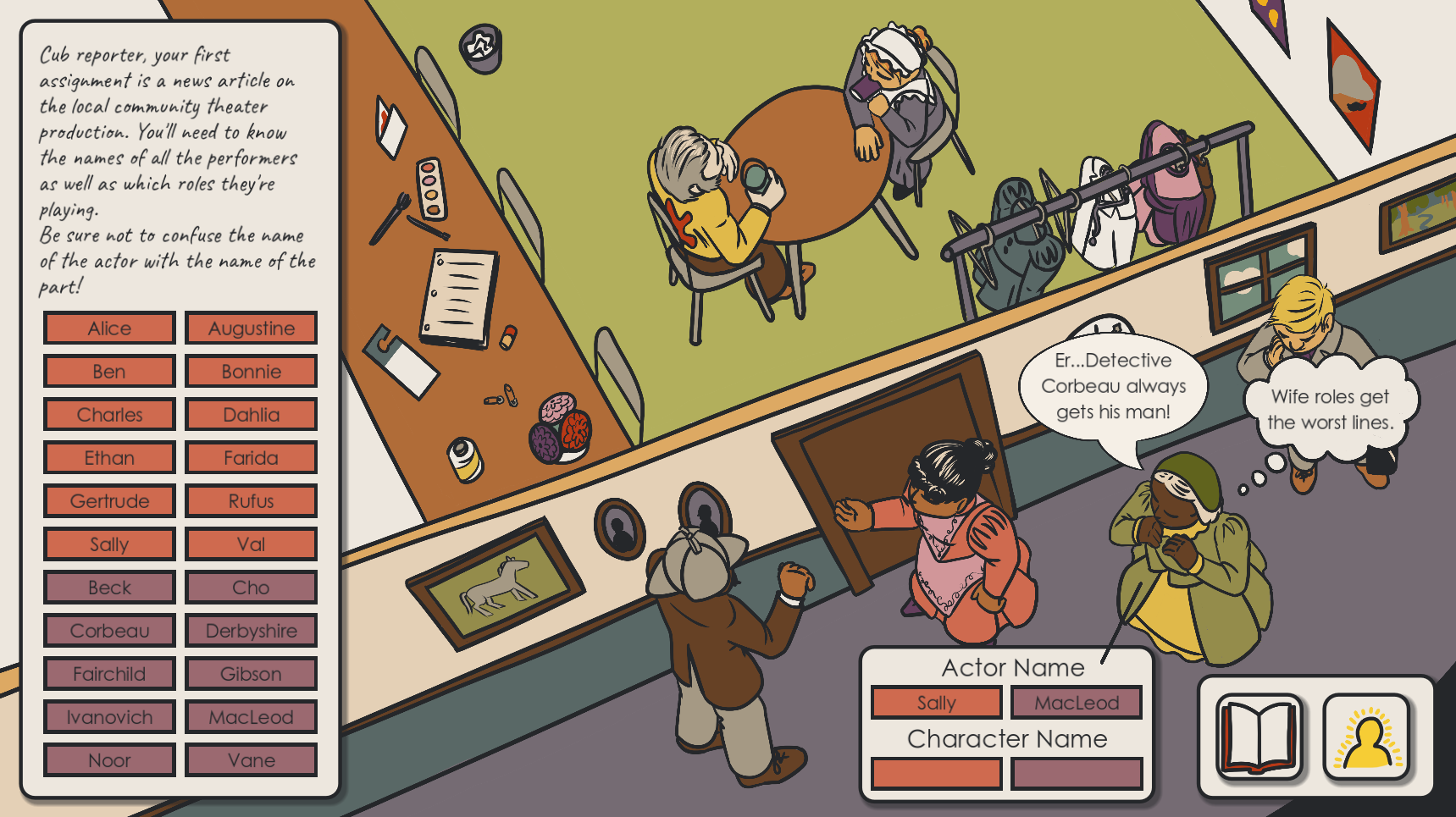
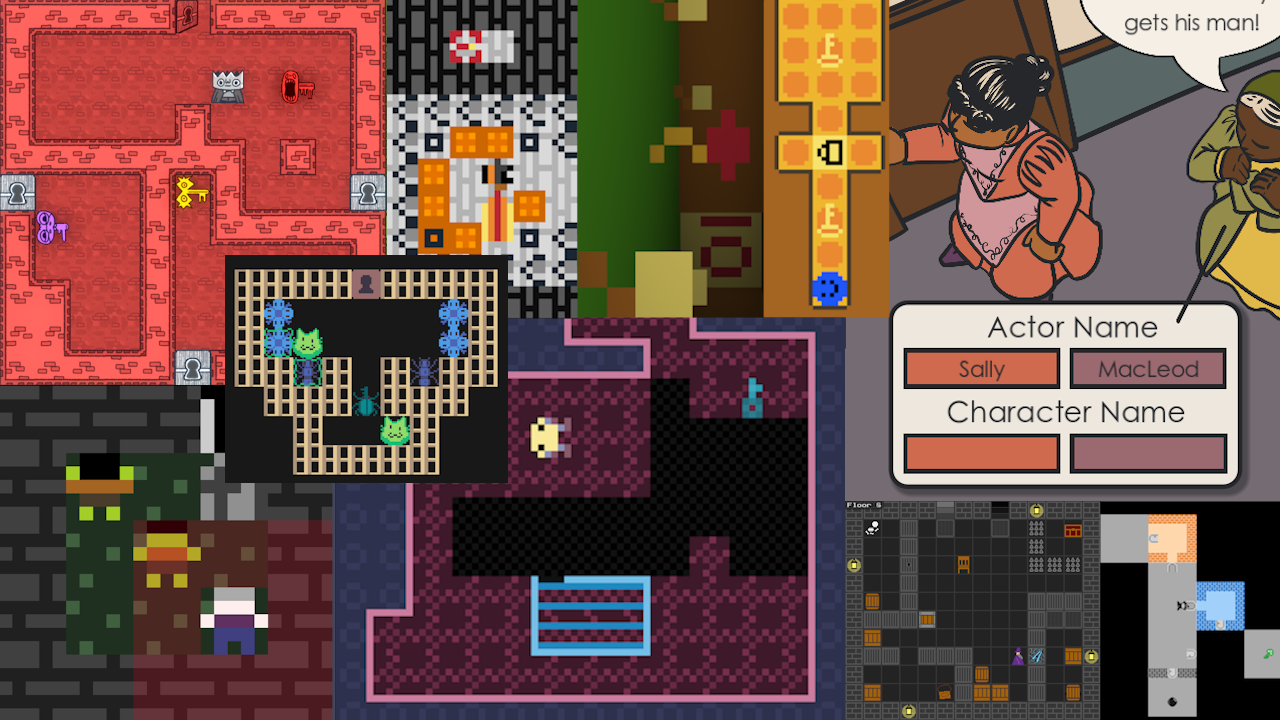
Deductopia: Community Theater
Cay: Deductopia: Community Theater has the same charm and satisfying sleuthing as the other games in the series! This time, the goal is to match a bunch of actors with their actual names and the names of the characters they’re portraying in the play. I thought the premise was clever and it made me look at the clues closely so I didn’t get the characters and real people confused.
Corey: It's another Deductopia from our pal Gwen! A bite-sized little Golden Idol type fill-in-the-blank situation, inspecting nooks and crannies of the illustrated scene to corroborate answers to written prompts, this time in a stage play setting. If you have fun with this, you should check out the free demo for the upcoming full commercial release for more.
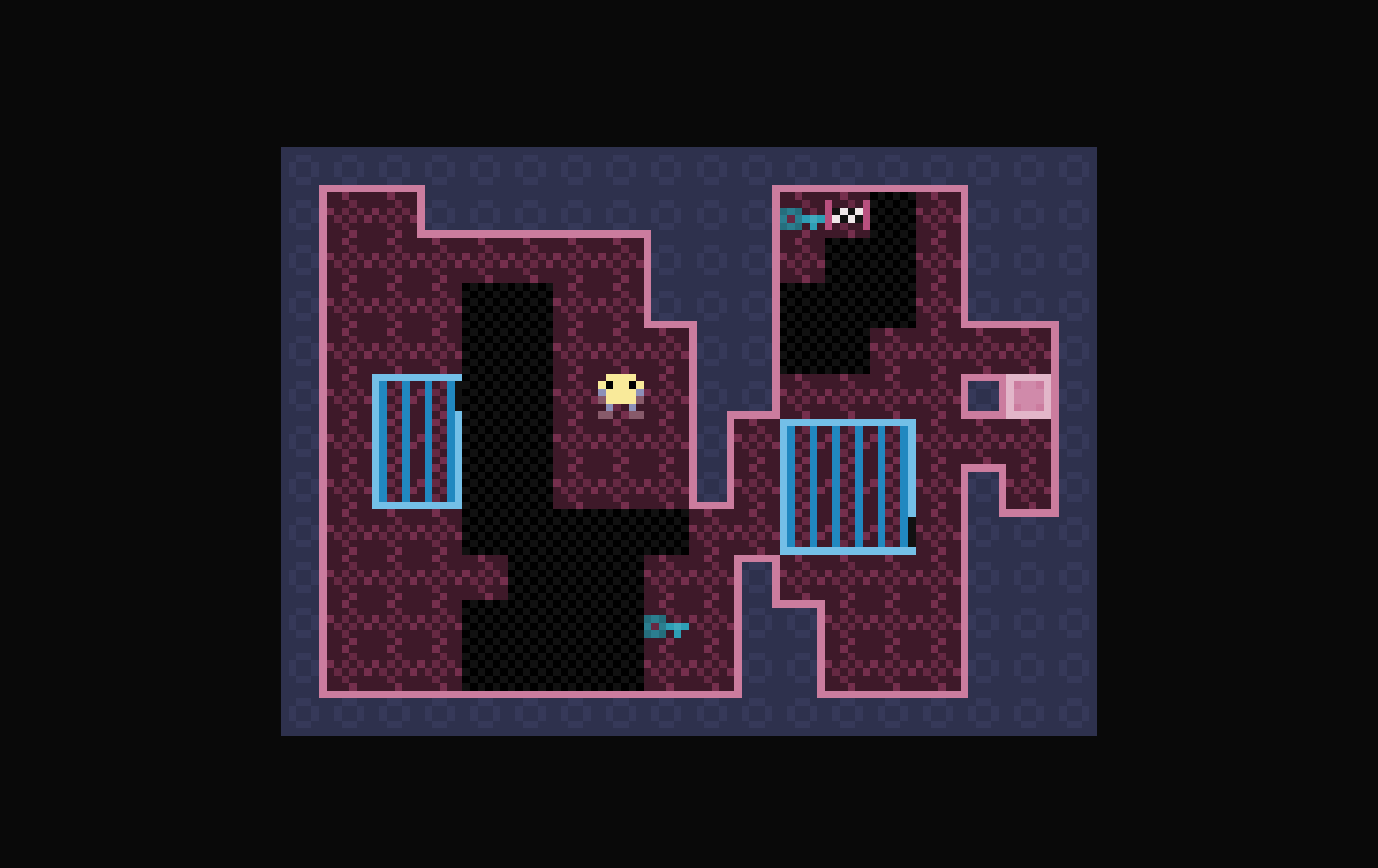
Imprisoned!
Joe: I love a sokoban that does fun things with rigid bodies (aka. multi-blocks). In Imprisoned!, you have to trap yourself in strangely-shaped cages and then free yourself again to get to the exit, using those cages to help you navigate across otherwise impassable chasms. It's a short one but with a bunch of fun snappy puzzles.
Corey: I like this one a lot, it's doing exactly the things that I want a little PuzzleScript game to do: compact levels, a cute visual concept, pretty intuitive mechanics and puzzles that really made me scratch my head before eventually stumbling into the method that makes them possible.
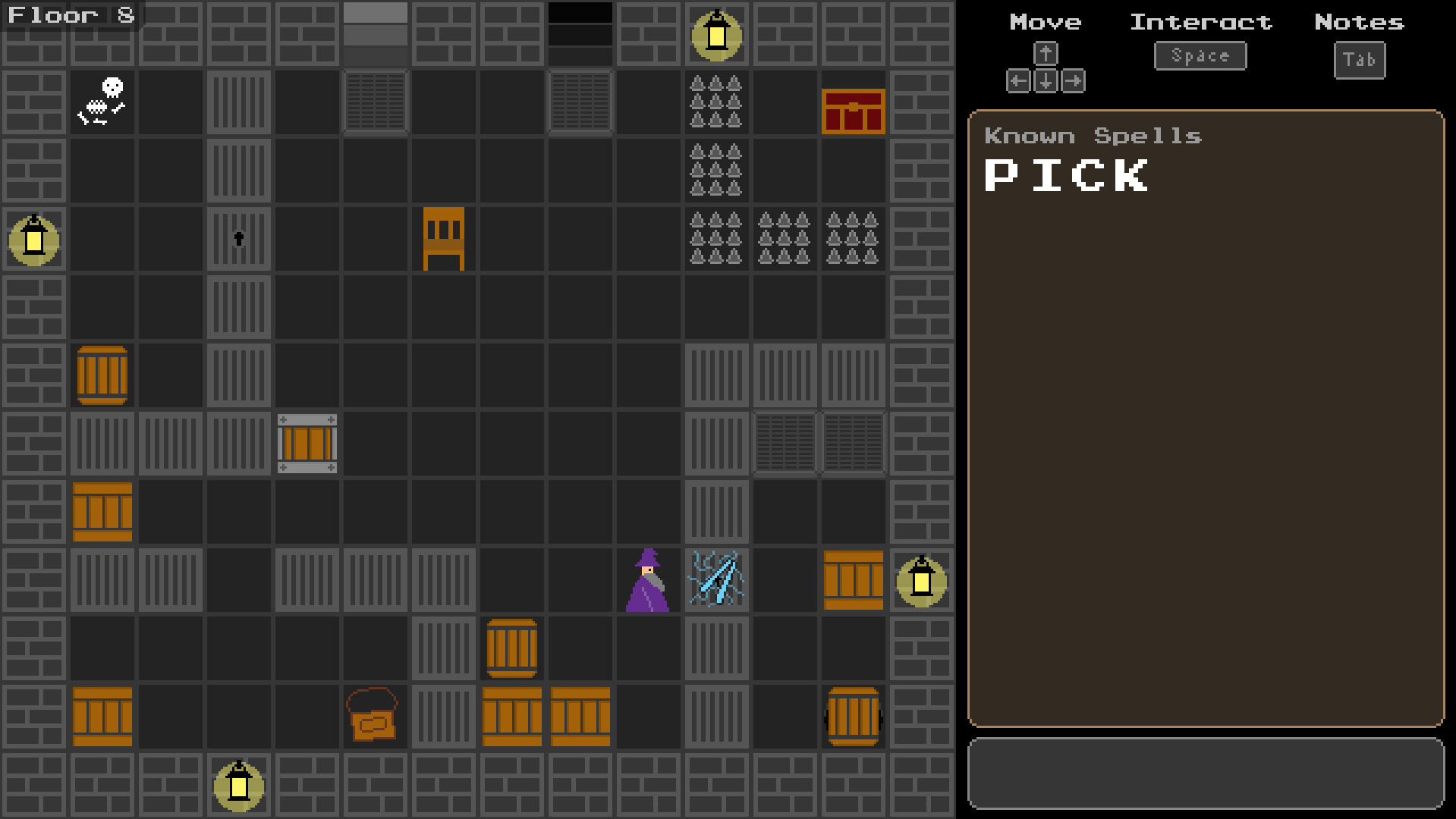
Spell Escape
Luis: Spell Escape has many rough edges. There were several times where I didn't understand why a certain action wasn't working, and I would have gotten stuck pretty early without the hints. That said, you play as a wizard exploring a mysterious tower while learning new spells. You can go back and forth through the different floors trying to find new uses for that spell you just learned. And instead of pressing a button to cast a given spell, you need to type in the spell name, the superior way of spell-casting in games.
We've gotten used to seeing extremely polished games come out of game jams, and while that's cool, let's not forget these events are about having fun and trying weird ideas at the expense of polish. If you can look past those frictions, this is a cool experience.
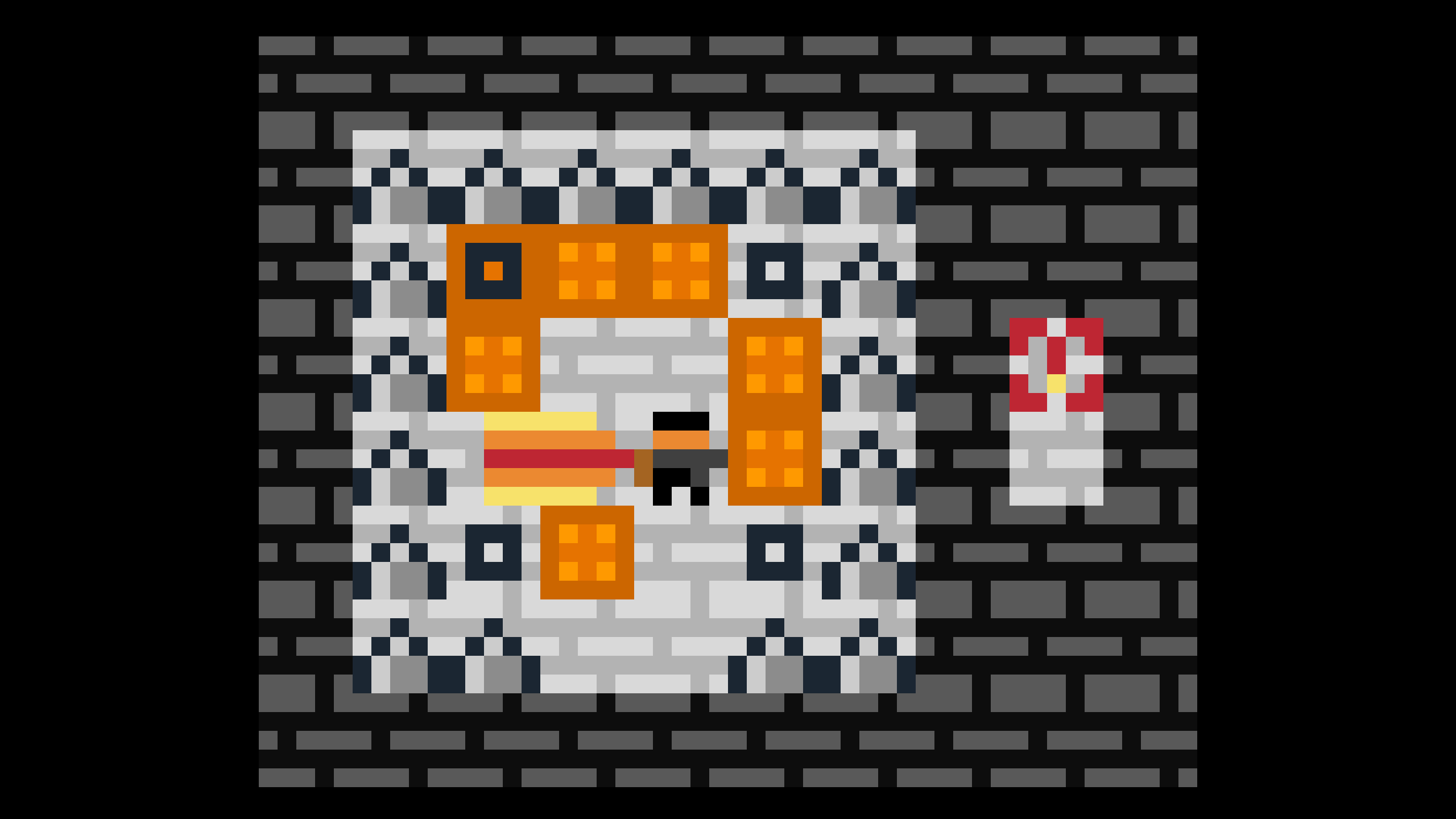
Gunning for the Exit
Oriane: Well this one came out of the blue. The first published game from its creator, Gunning for the Exit hands you a shotgun and asks you to blast crates until you get to the clear state. I know this sounds like a joke that could get stale very quickly but, lo and behold, it never does. Instead, the game exhibits actual puzzle design proficiency all the way through the last level!
There’s more going on here than in a standard sokoban, since you not only have to bring crates onto the designated spots in the level, but you also have to destroy any excess crate using limited ammo, and deal with a few additional mechanics which are progressively introduced and explored. They’re all quite easy to grasp though, thanks to the consistent, straightforward theme of shooting at stuff. As long as you can stomach violence against crates, this is a really fun jam entry.
All the Gold in Fort Locks & Every Door a Portal
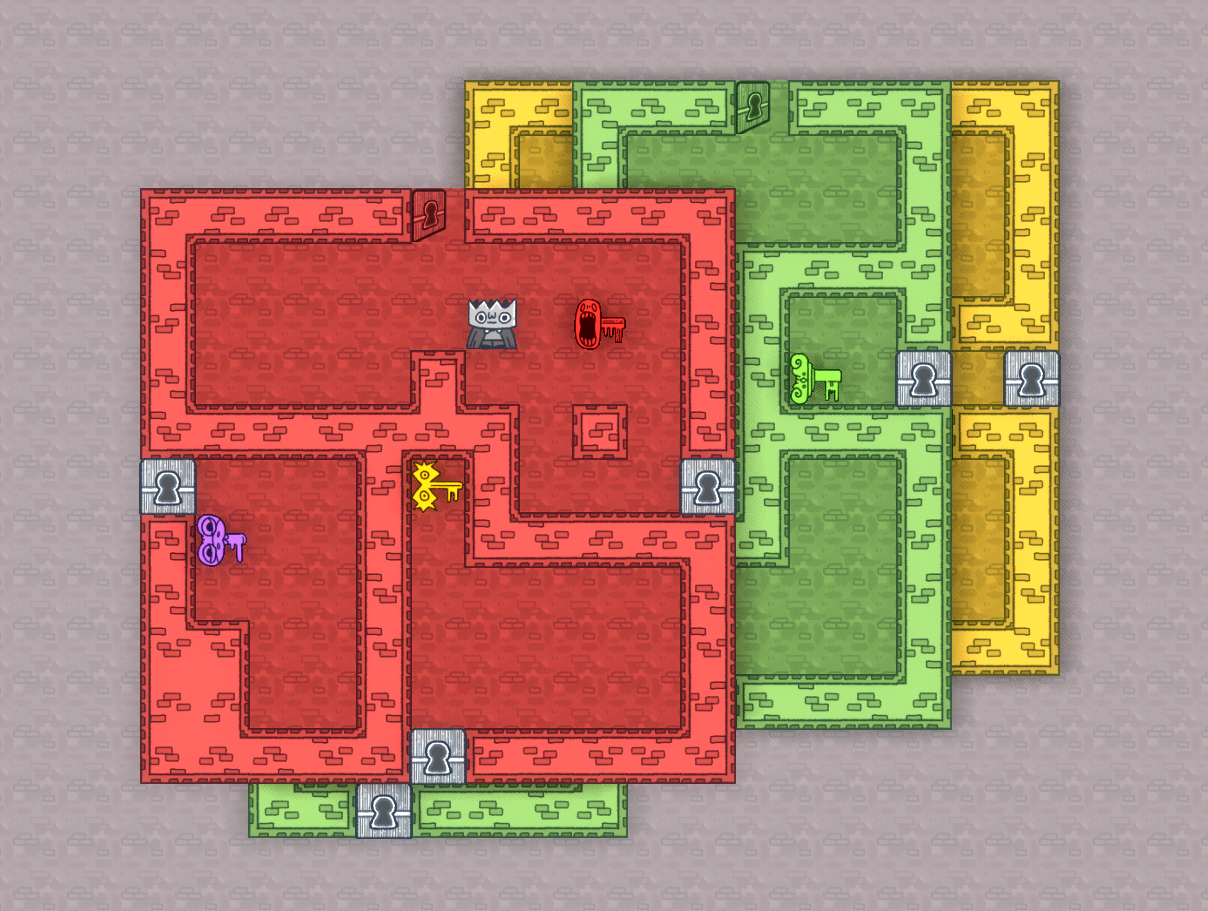
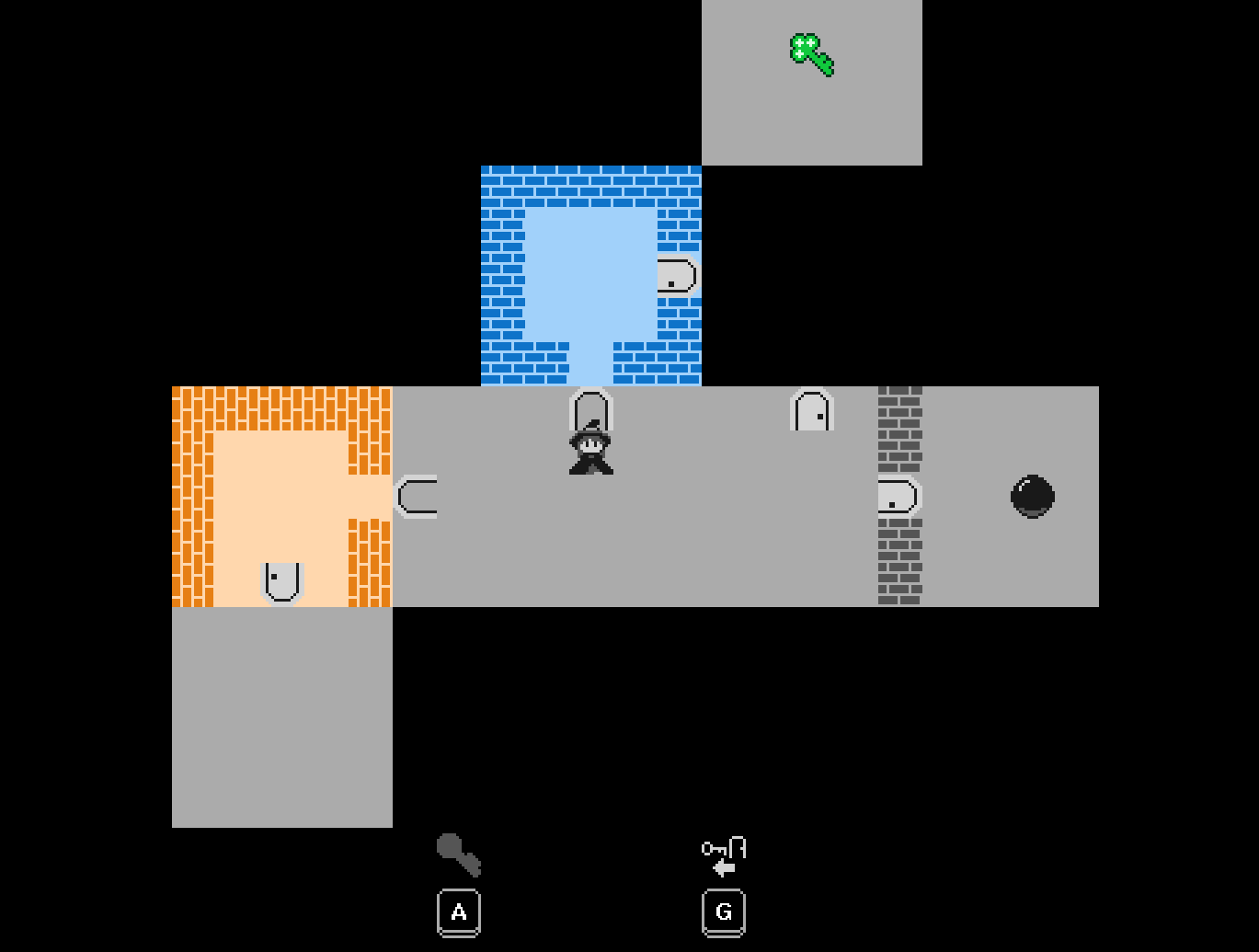
Joe: Double whammy here - I thought it was interesting how the "Locked In" theme inspired similar ideas for both All the Gold in Fort Locks and Every Door a Portal, yet they feel very different at the same time. They both explore nested/recursive spaces with a lock-and-key twist and it's so immediately obvious how ripe this core mechanic is for interesting puzzles. And both games find great things to do with it!
Corey: Not really a fair comparison when you've got all sorts of all-star puzzle devs teaming up to do jams, is it? All the Gold in Fort Locks is from Draknek & LeSlo & friends, and it's one of those "puzzle gamer's puzzle games" that immediately starts making your head spin with recursive implications. When you push a key into a lock, it opens up a copy of its own unique room. But then you can push the key into that room, or take it outside and around to another door, opening a second copy of that room that overlaps the first, and might contain another key... you can probably picture the territory this one gets into. (The art is very cute too!)
The Magical Menagerie’s Escape
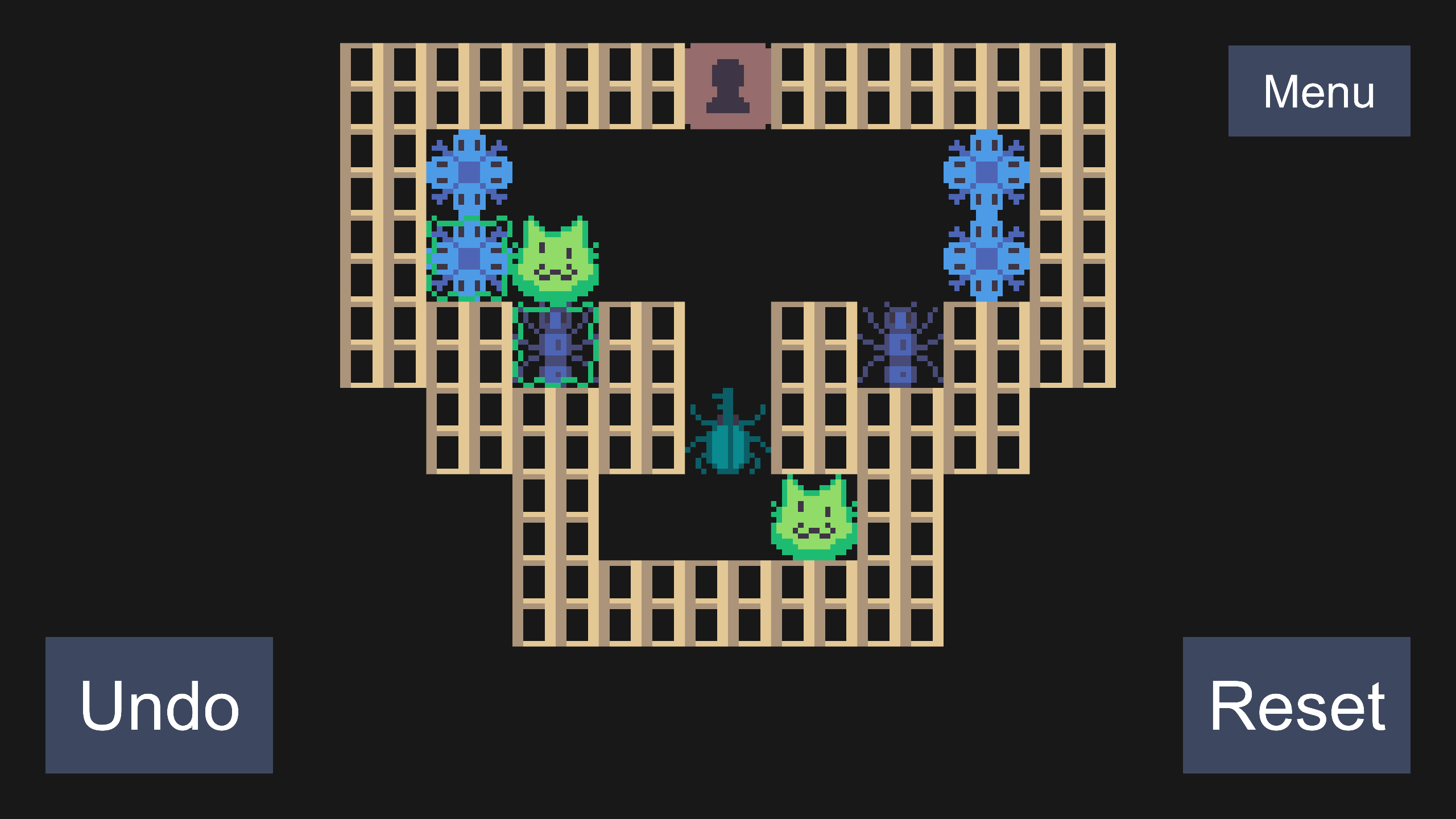
Oriane: A game of whimsical creatures with distinct grid-based abilities, The Magical Menagerie’s Escape displays what we sometimes call “maximalist” puzzle design: it shifts through many rules, and cares more about setting up amusing situations than exploring every consequence of its mechanics. (Baba Is You is, arguably, the game that found the most success out of this philosophy.) Roaming the Menagerie rooms, the Keetle holds the key to the exit, but there's also Four-headed Frogs that snag any bug entering their lines of sight, Slimecats that stick and pull adjacent creatures, Stonefish, Ants, and more.
In spite of this maximalist design, Menagerie still feels cohesive enough, and I settled into a nice rhythm solving its twenty or so levels. I liked the bite-sized challenges that the team went for, but I believe what really tied it together was the colorful pixel art, which made associating a creature with its respective ability so evident and satisfying. The game’s artist, Tstaffor, recently released Blue Pearls, a short Blue Prince-inspired game with equally pleasing pixel art, and I hope to see more of it in the future.
Garden of the Compass Rose
Corey: As soon as I played this I knew it would be my pick from the jam. A blasphemous secret I tend to keep close to my chest is that (whispering) sometimes I get a little tired of traditional puzzles. Like anyone, I have my limit of how many boxes I want to push around grid-based rooms to hit targets. There's nothing I love more in games than when something surprising or original or unexpected comes along, and Garden gave me those great feelings.
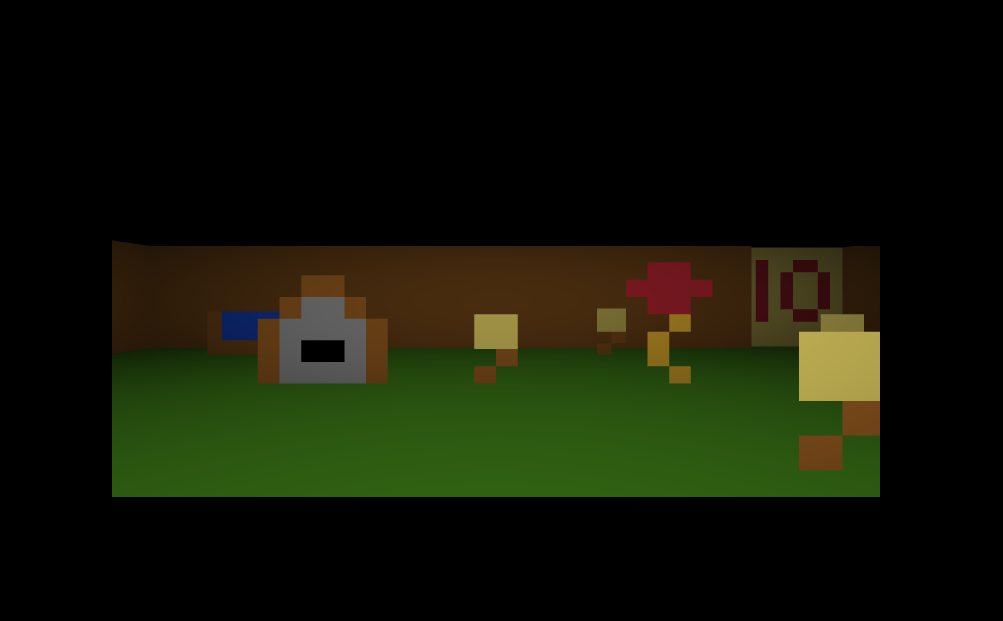
The game uses the very charming DungeonScript to turn a puzzle level into a first-person puzzle maze, and asks you to navigate this eerie little world to accomplish a certain task and uncover hidden truths. Pretty quickly you get the feeling mapping is expected, but whether that's maintaining an intentional map in your head (mostly worked for me) or breaking out some paper, either way I'm very happy for a game to ask that of a player, to make itself a bit inconvenient. As with the unique visual perspective, I find unusual tasks like these amount to new and unique gameplay experiences, and that's the kind of "fun" that I'm really after.
Edit: After mostly finishing this article I played a few more games and wanted to add a quick honorable mention for Very Normal Lock Opening Game, which (as its name may suggest) is doing very abnormal things with grid spaces and the very cute idea of locks requiring physical space to pop open. Another one worth playing.
Disclaimer: Thinky Games is a Carina Thinking Games Initiative and may have professional relationships with individuals and businesses related to the subject of this article. Please see our Editorial Policy for details.