What appears to be a difficult Souls-like adventure game hides layers of secrets and discoveries.


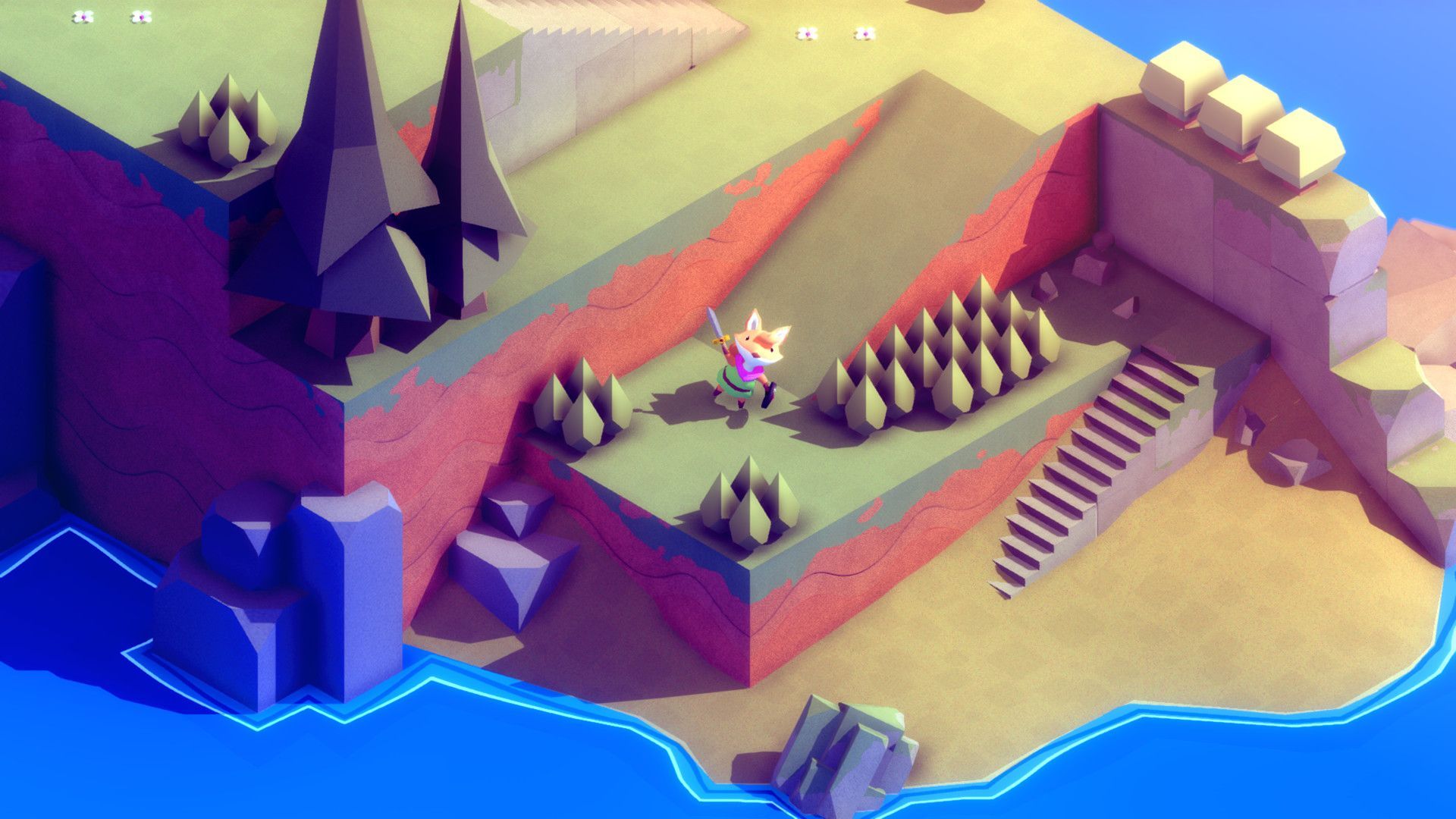
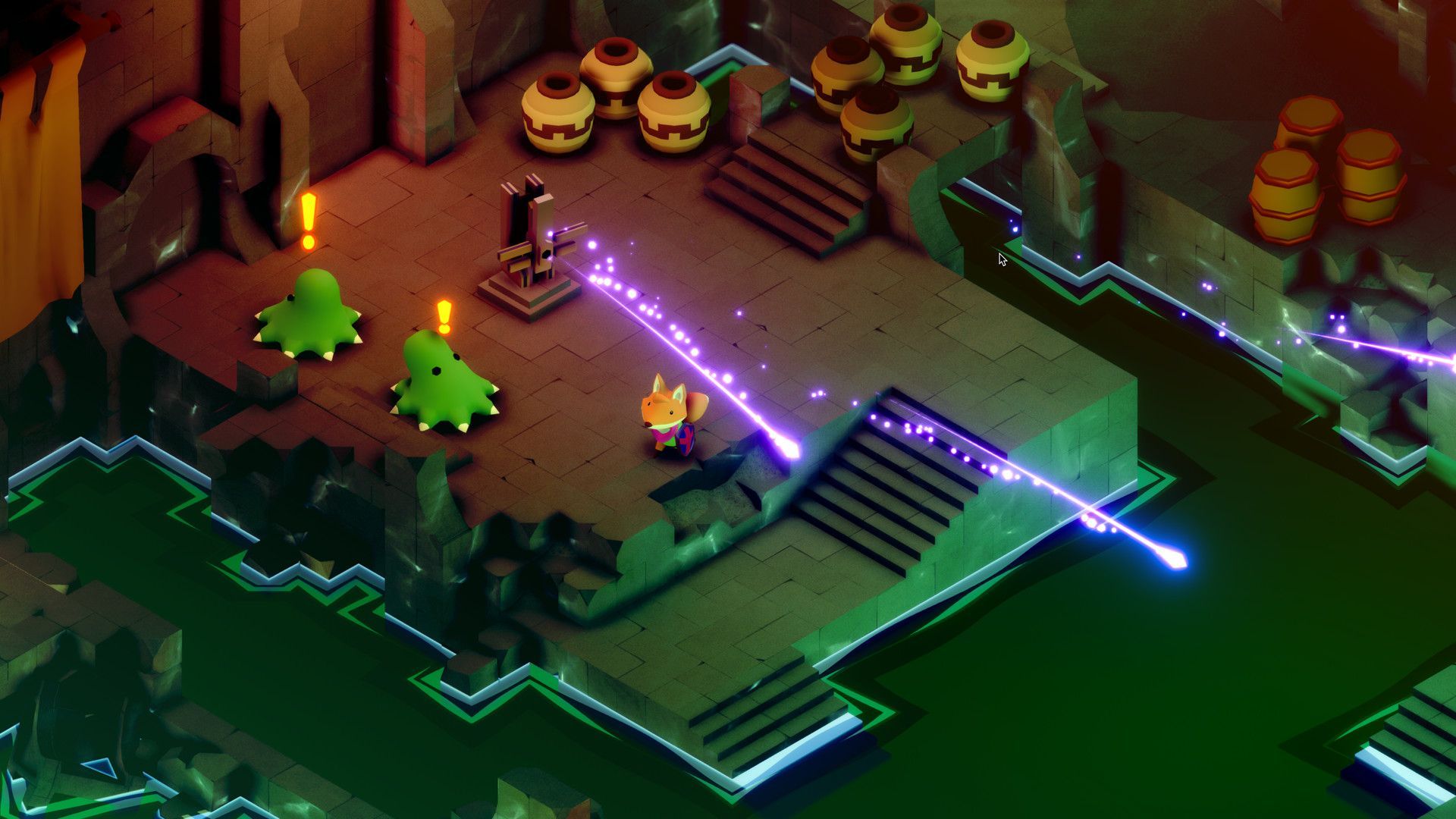
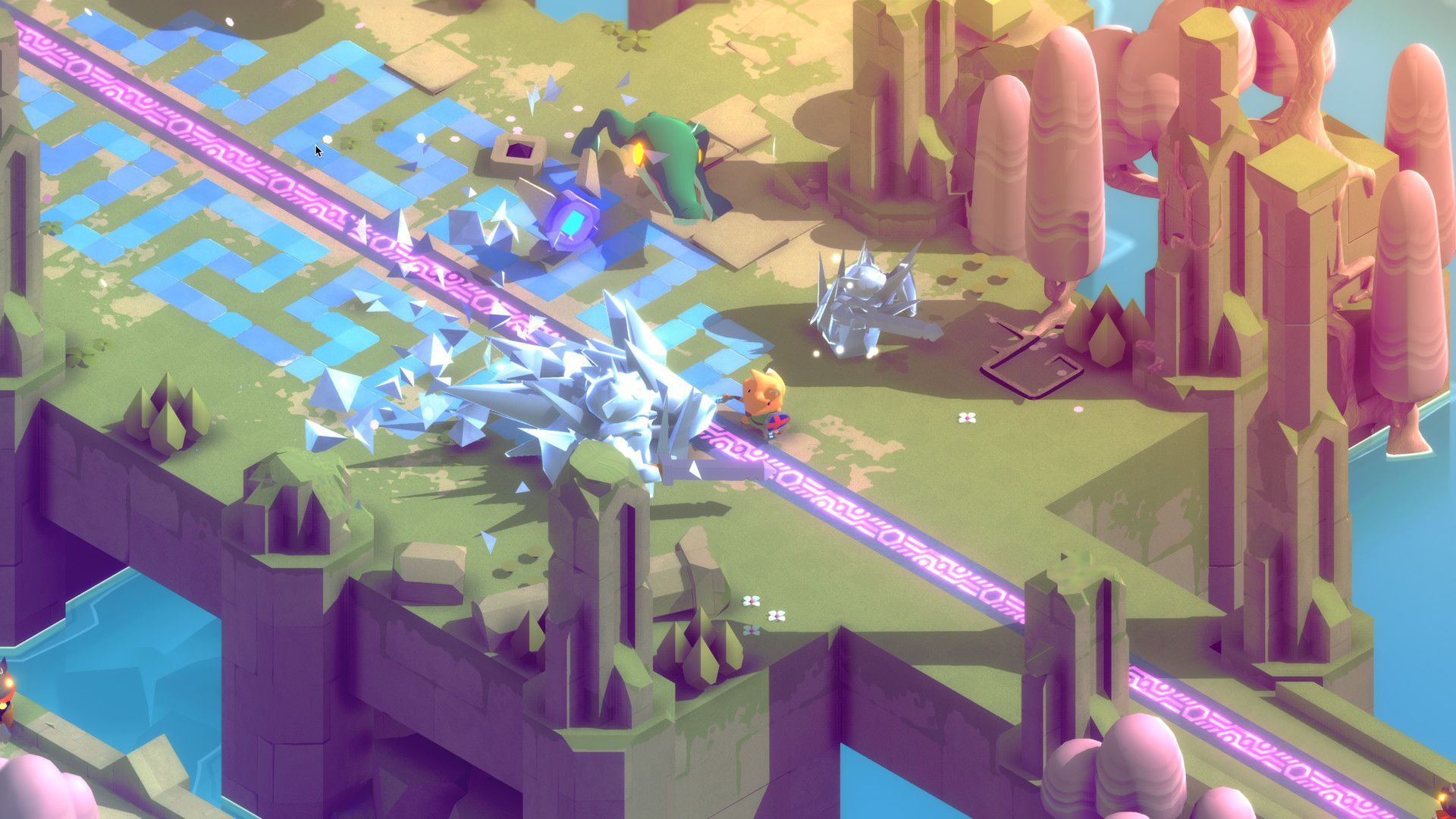
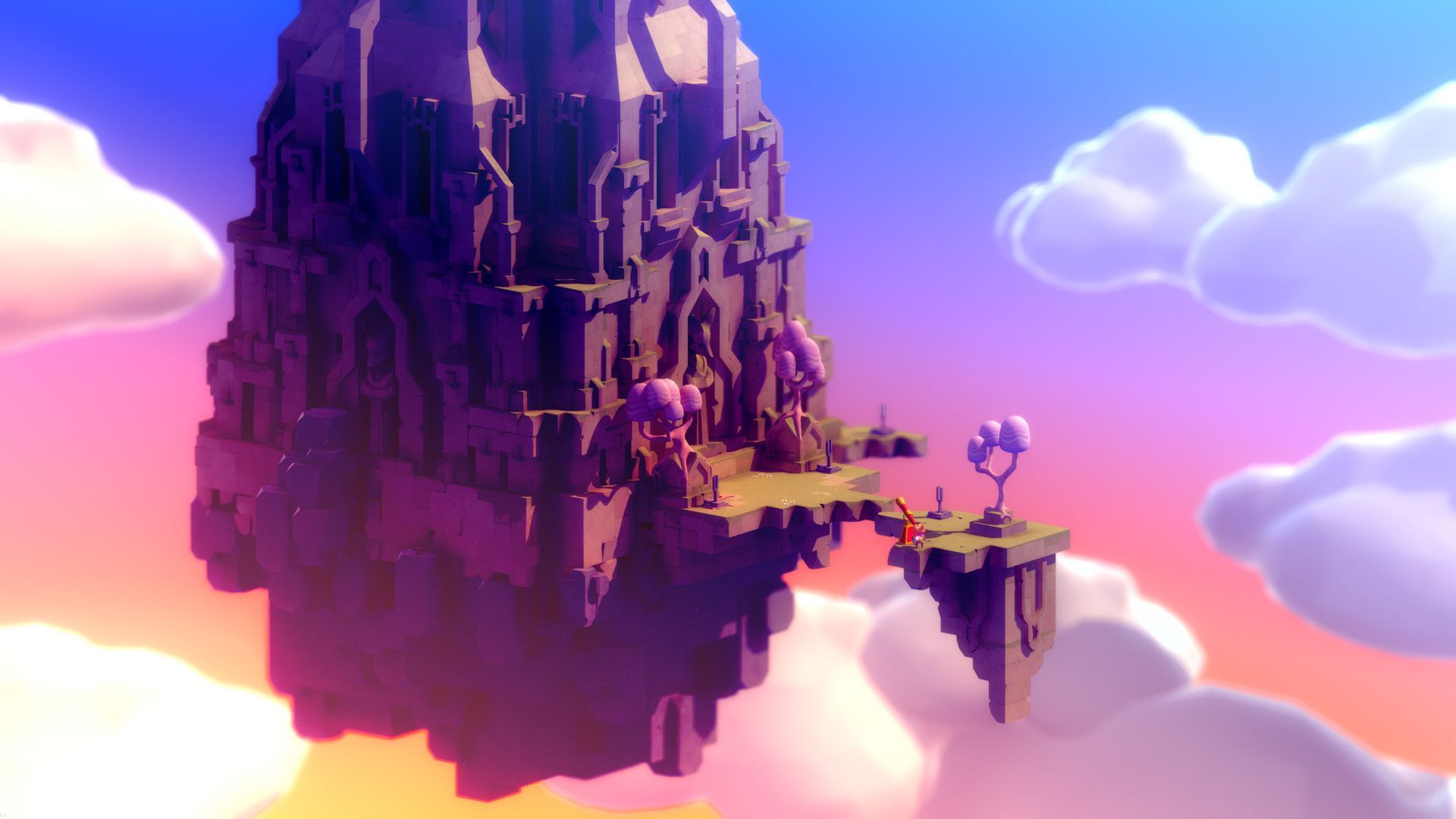

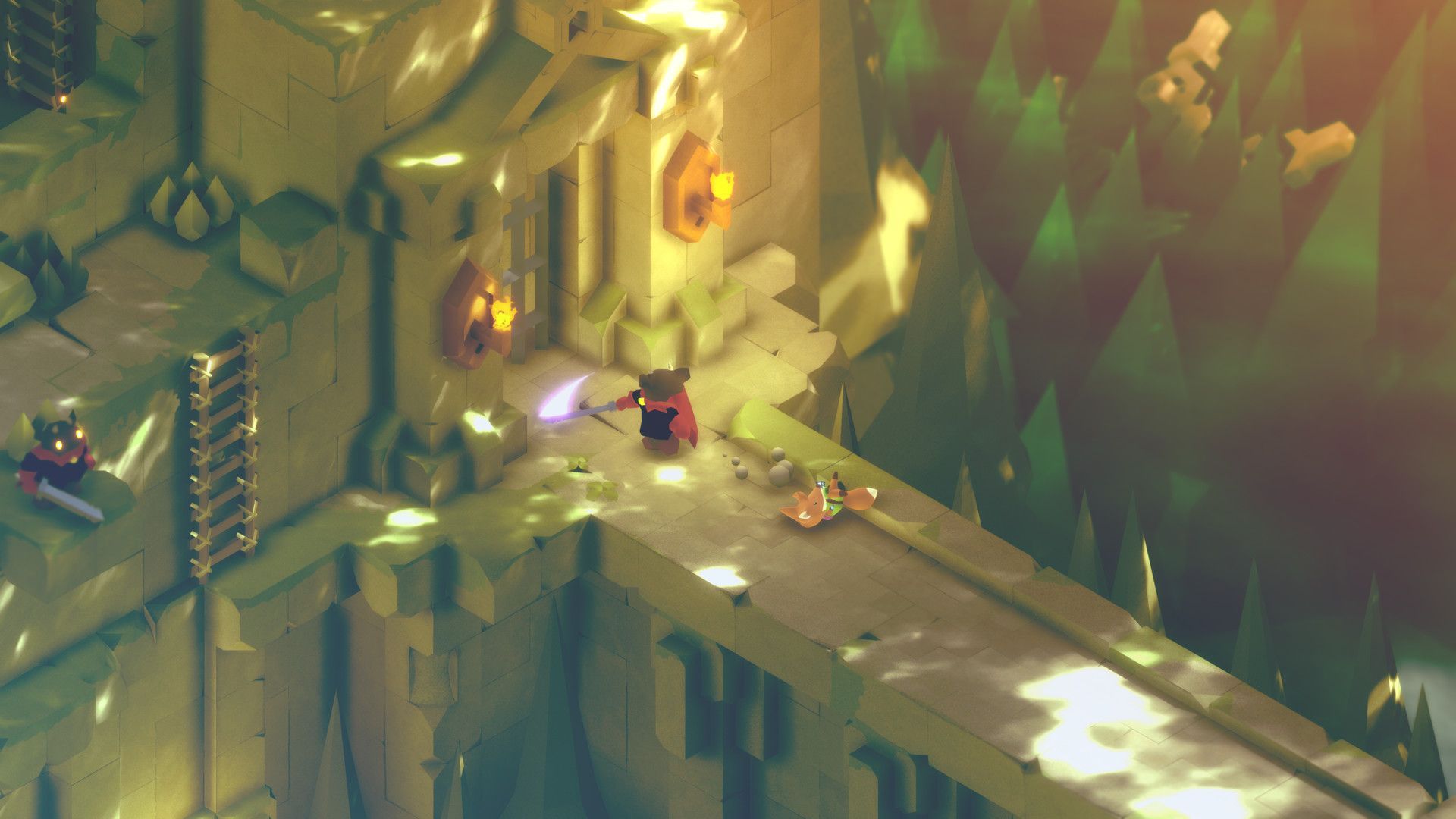
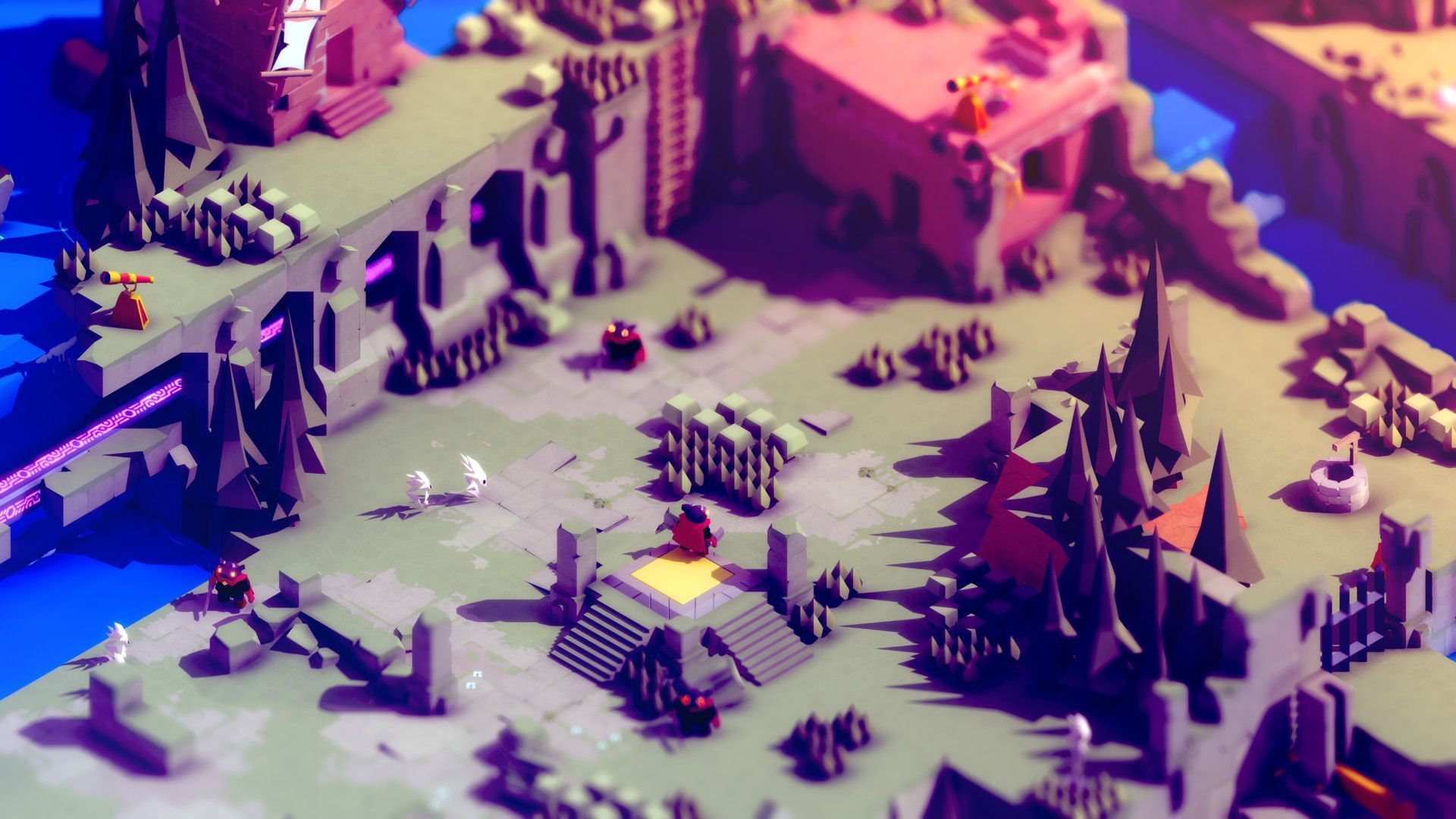
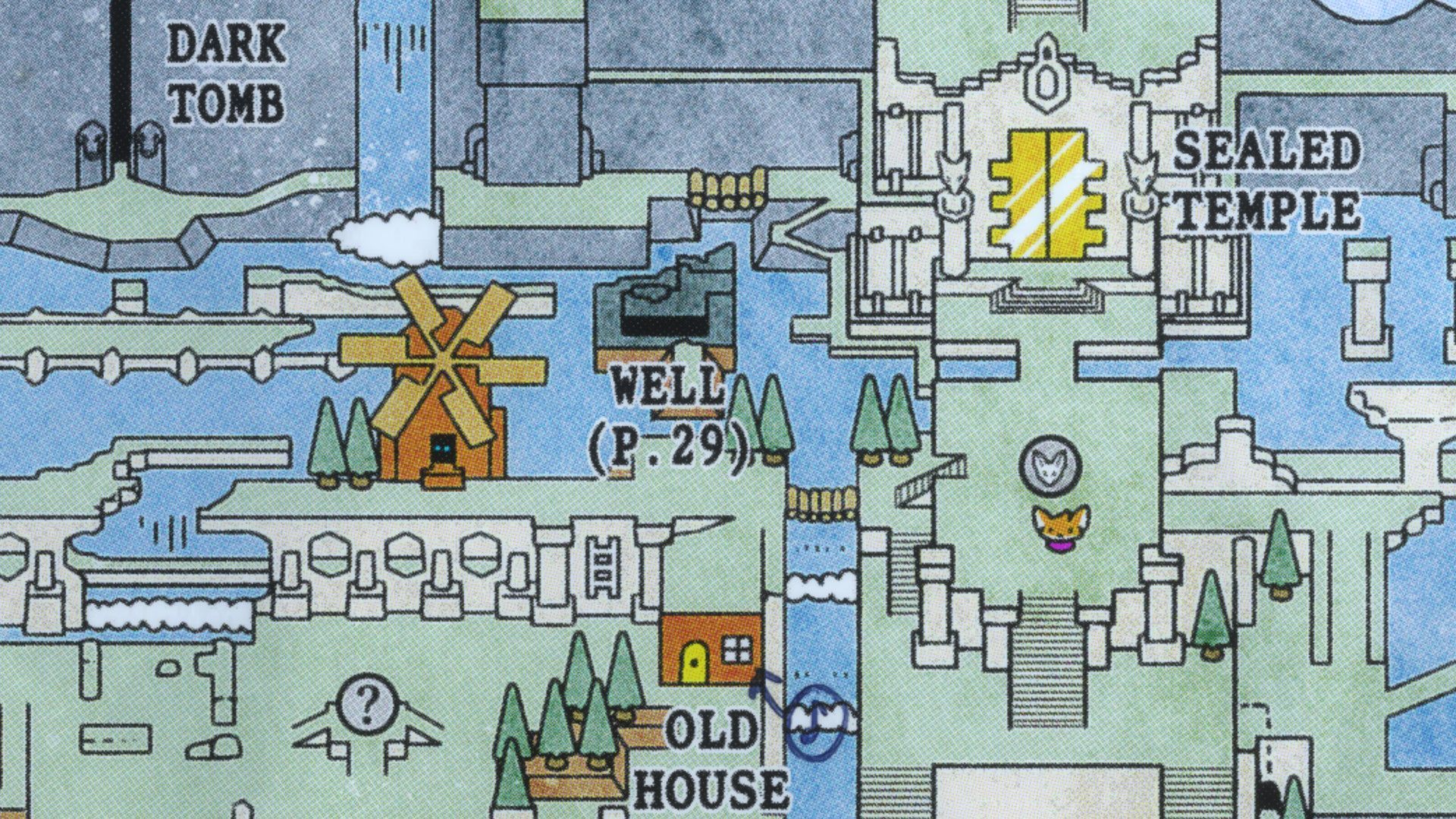
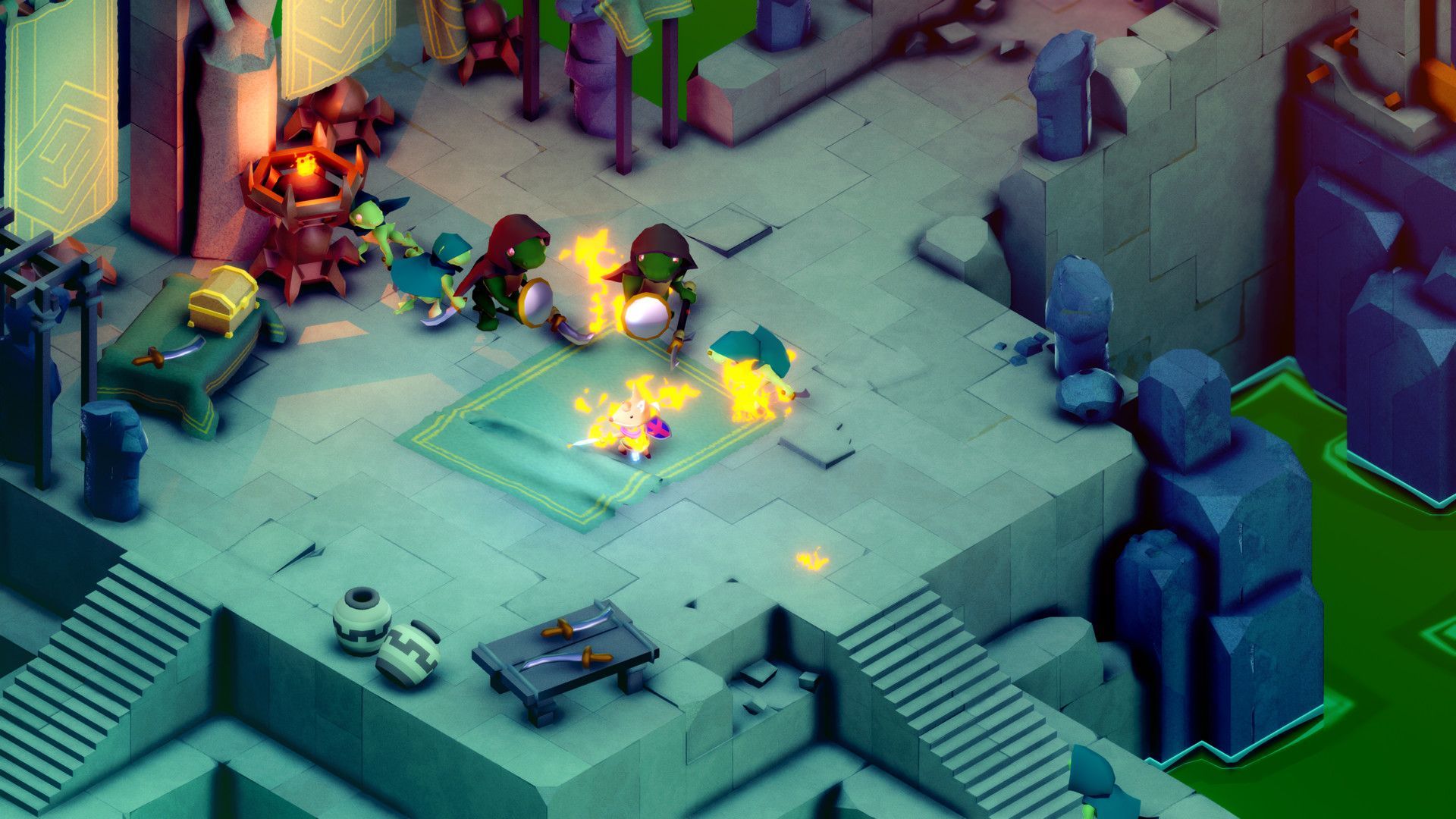



Tunic is an action-adventure game in which you play as a little fox traveling through a dangerous, mysterious, and often beautiful low-poly world. Although most of the core gameplay involves exploration and difficult combat, the game also has plentiful secrets, which can only be accessed by solving hidden meta-puzzles. These are integrated seamlessly into the environment, and many of them revolve around abilities you always had access to without knowing, making Tunic somewhat of a metroidbrainia with significant action elements.
In Tunic, you are an adorable fox beached onto a mysterious world, with initially no idea how you got there and no idea what you’re supposed to do. As you progress through the game, you explore, battle monsters, and acquire new skills — or learn about skills you already had. The game’s world is deeply filled with secrets which require both observation and lateral thinking, making the game reminiscent of metroidbrainias like Animal Well and Outer Wilds.
A significant part of these secrets involves gathering pages scattered through the world, which piece together an in-game manual reminiscent of retro game strategy guides. The only problem is the manual — as well as the in-game text — is almost entirely written in a strange language, so you must rely on the manual’s illustrations and your own intuition to figure out how the world of Tunic actually works.
Although some of Tunic’s gameplay involves sniffing out secrets and using intuition to better understand the world, the core of the gameplay is the combat, which is meant to be challenging. Even basic enemies often put up a fight, different ones requiring different strategies to defeat. There are also boss battles, in which your dodging, parrying, and attacking skills are truly put to the test. The combat has been compared to Souls-like games, with its focus on careful positioning and quick reflexes.
The world of Tunic is low-poly, isometric, and very visually polished, giving the whole game an almost toylike appearance. The atmosphere can sometimes be tense or foreboding, but it never strays far from its playful core. The game has multiple different endings; although it includes some minor story elements, they’re communicated mostly through wordless cutscenes, and leave a lot up to interpretation.
This description was written by Asher Stone.

| Developer | TUNIC Team |
|---|---|
| Publisher | Finji |
| Release date | 16 March 2022 |
| Genres | Adventure, Puzzle, Metroidbrainia, Language deciphering |
| Vibes | Combat, Mysterious, Adventurous, Fantasy |
Send us your feedback, suggestions, or corrections






Search for Room 46 in a mysterious manor where the rooms are different each time you enter.





A mysterious satellite photo uncovers the solar system's deepest secret in this Outer Wilds DLC.


Get a free thinky game to play and discuss, plus the latest thinky news and reviews, directly to your inbox every 2 weeks!