A relic hunter seeks out an artifact of unimaginable power, setting in motion a series of whodunit mysteries.



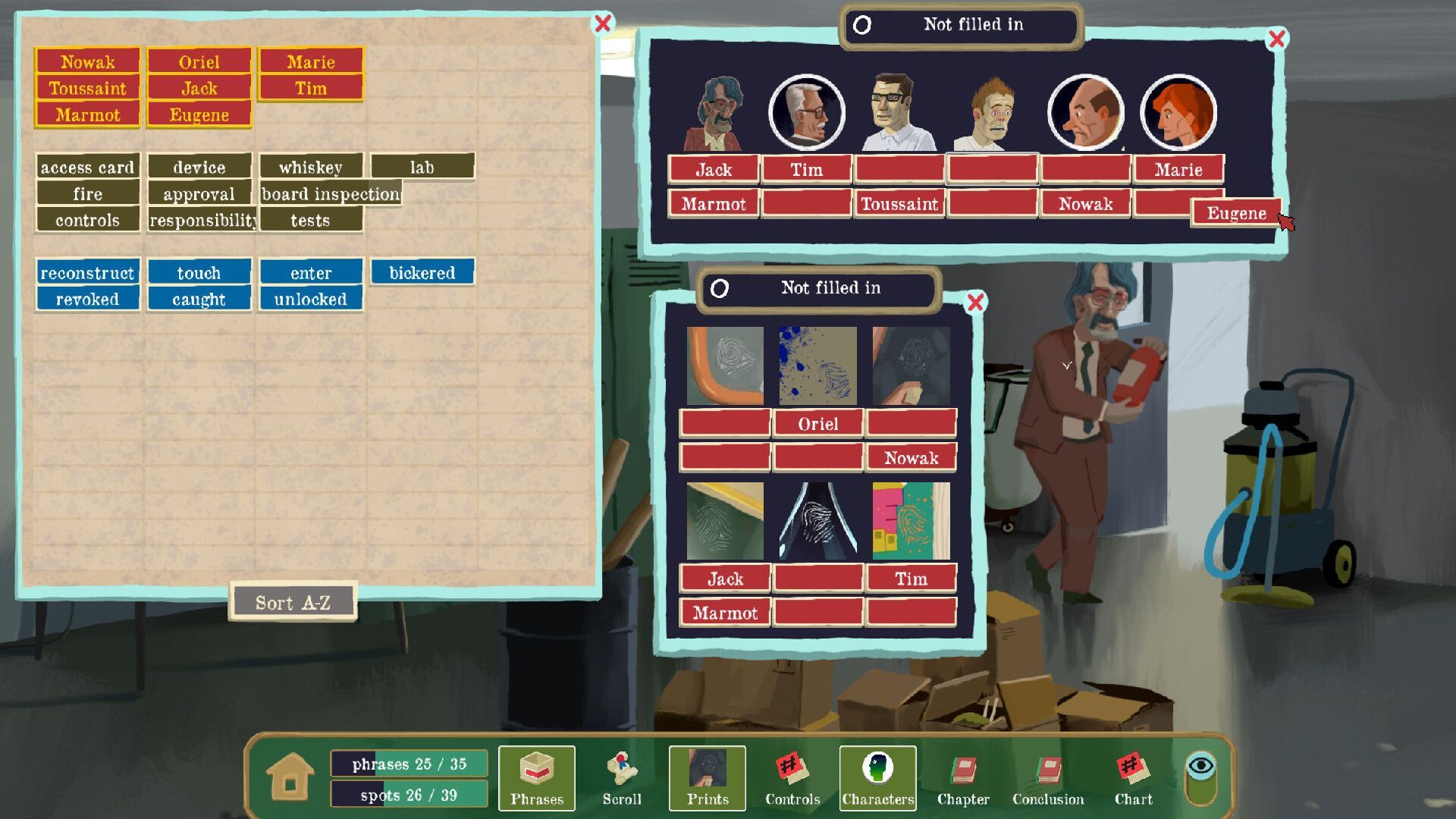

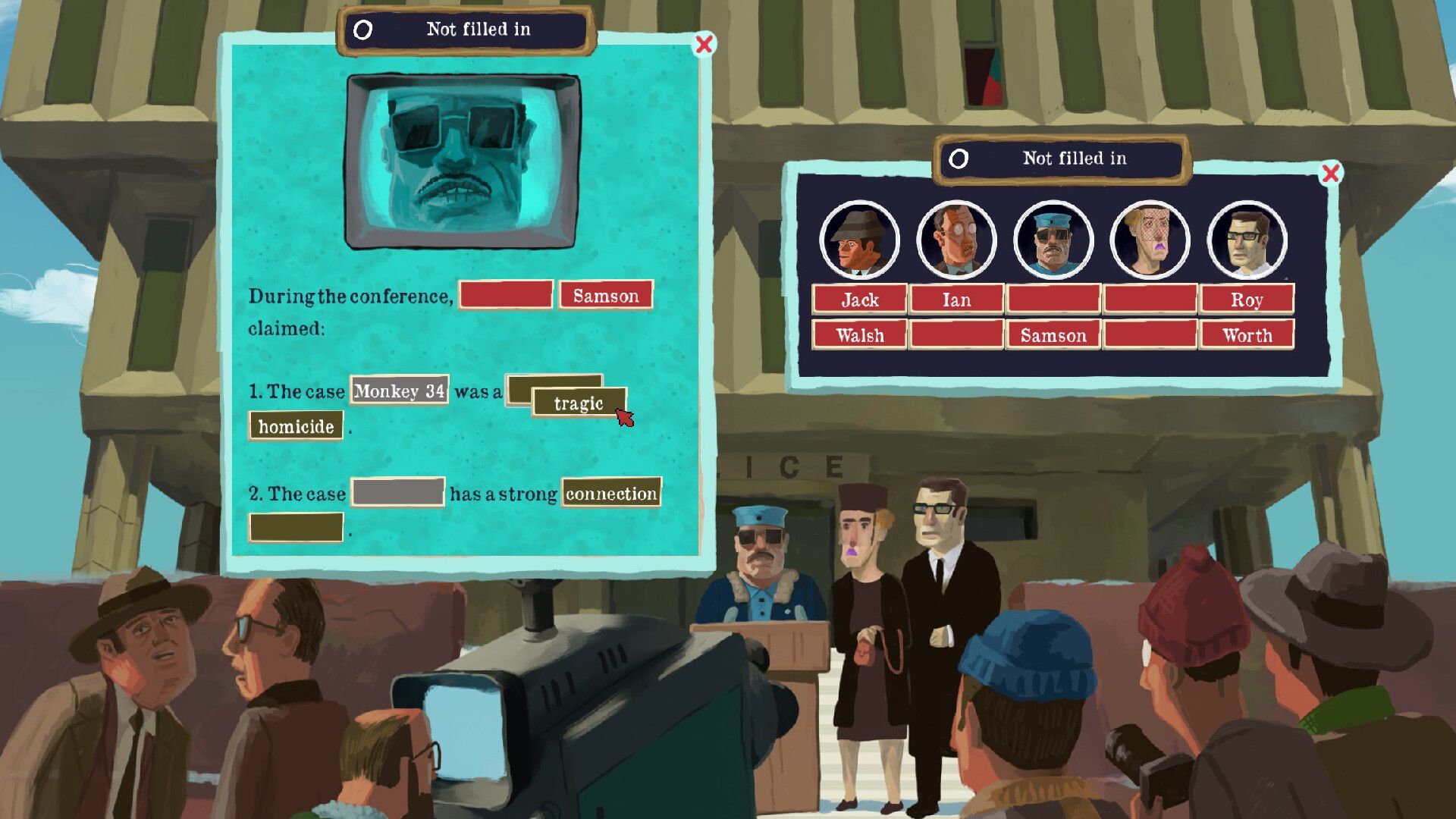
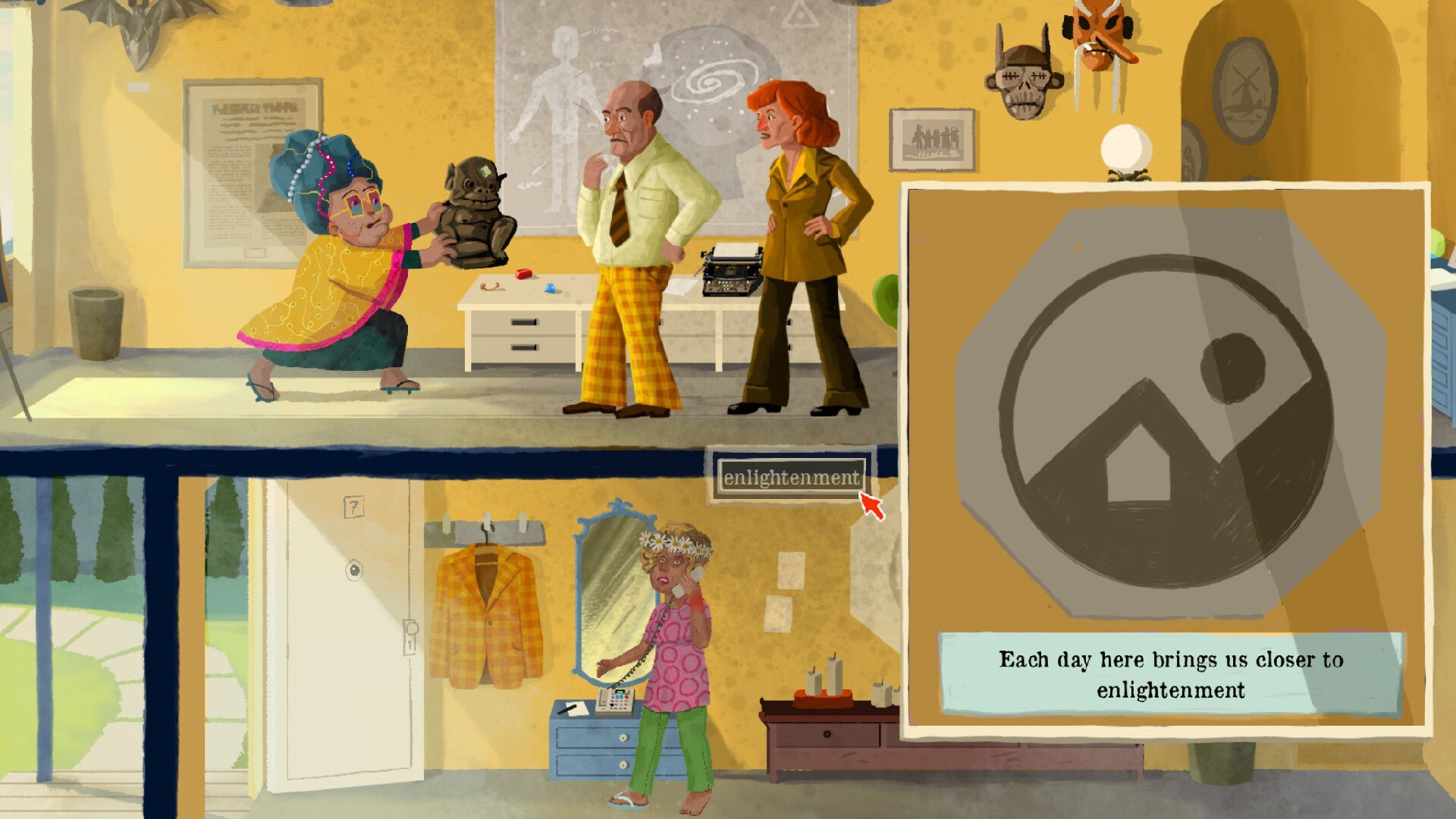
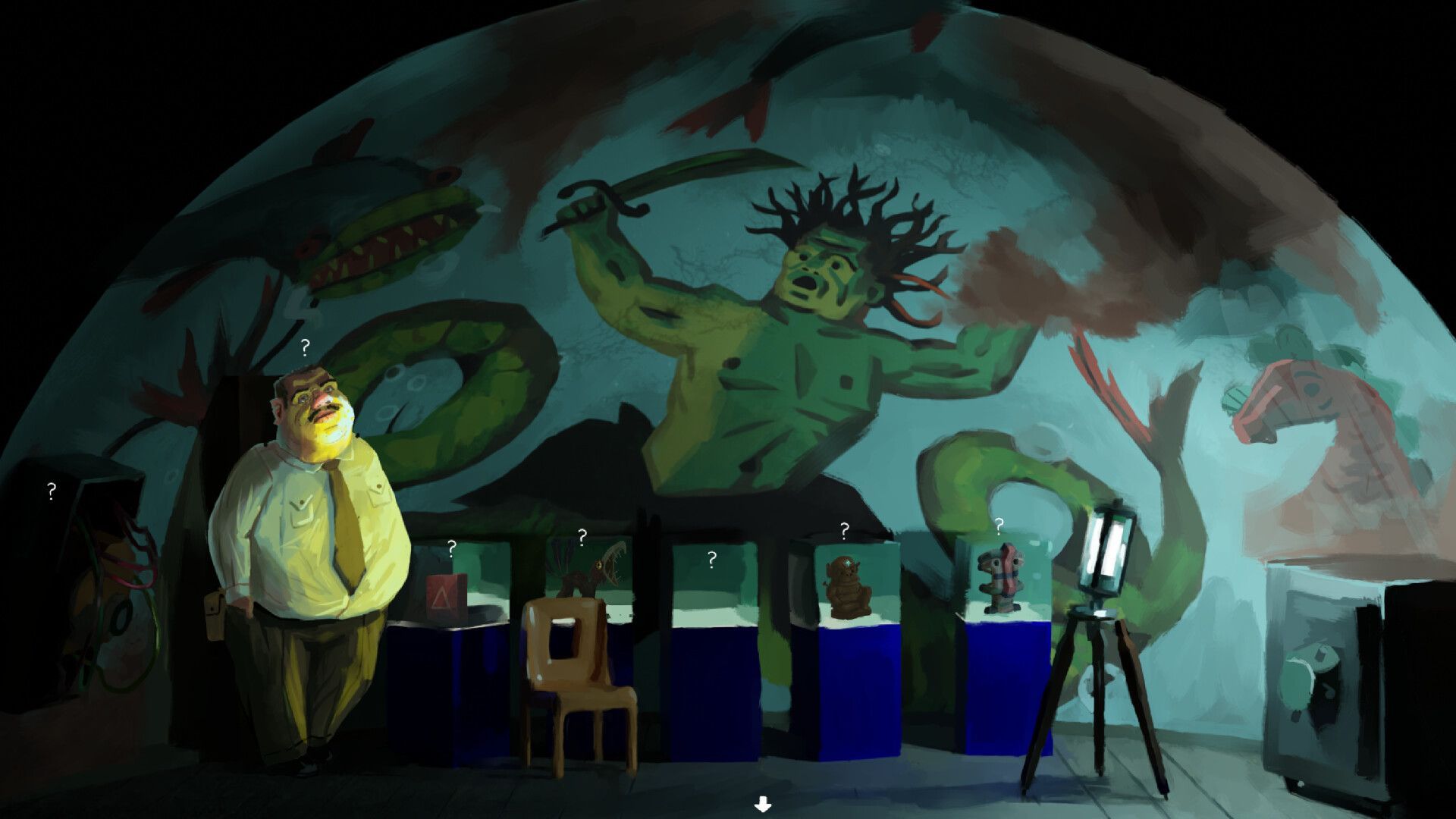




The Rise of the Golden Idol is a detective puzzle game that chronicles the deaths and misadventures surrounding a strange artefact that may hold arcane power. Each case requires you to use evidence from a freeze-frame scene to infer and deduce what, exactly, has occurred. As you piece together the cases, the game reveals a strange, sometimes darkly humorous story of idealists, incompetents, and mishandled technology.
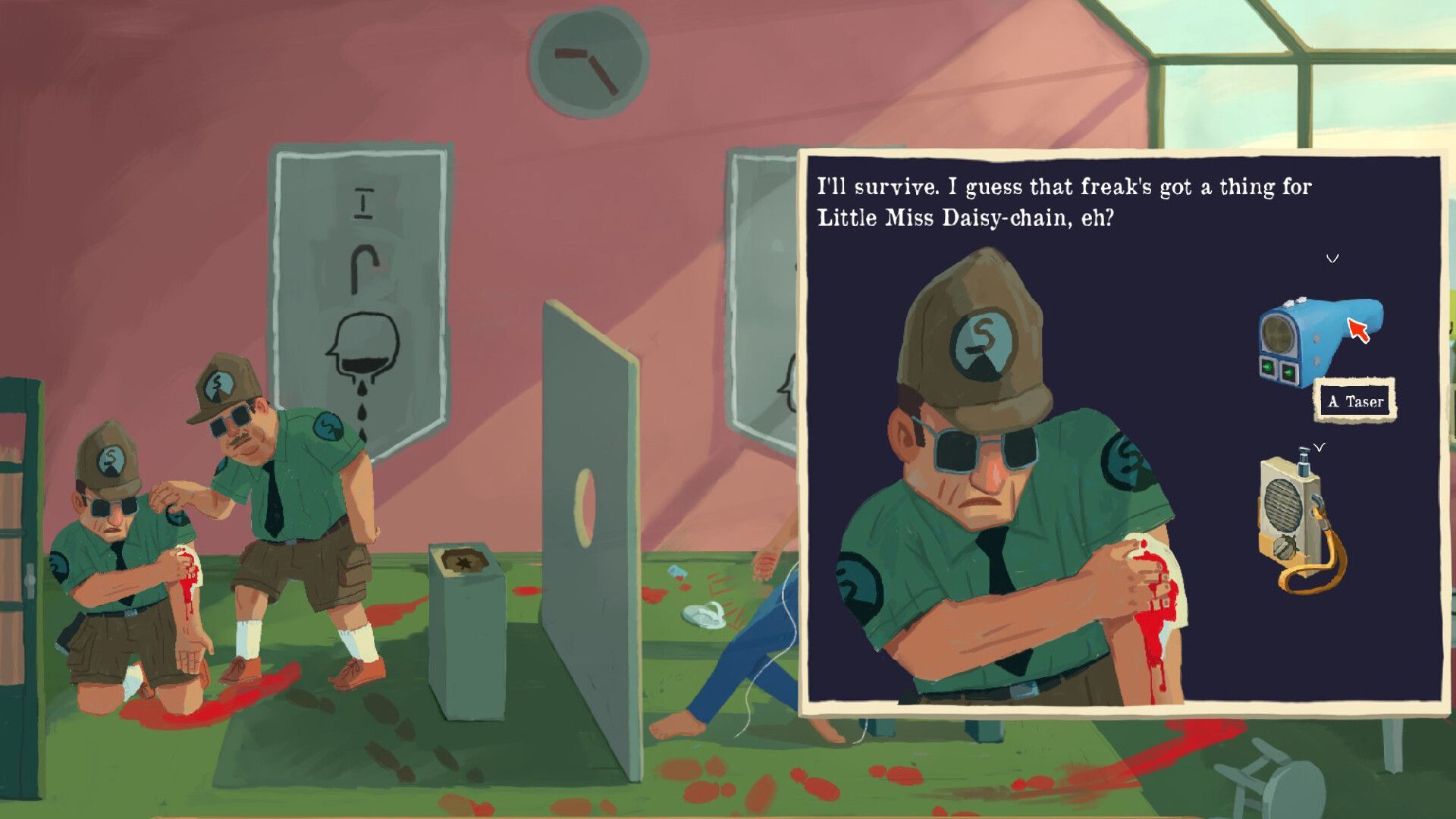
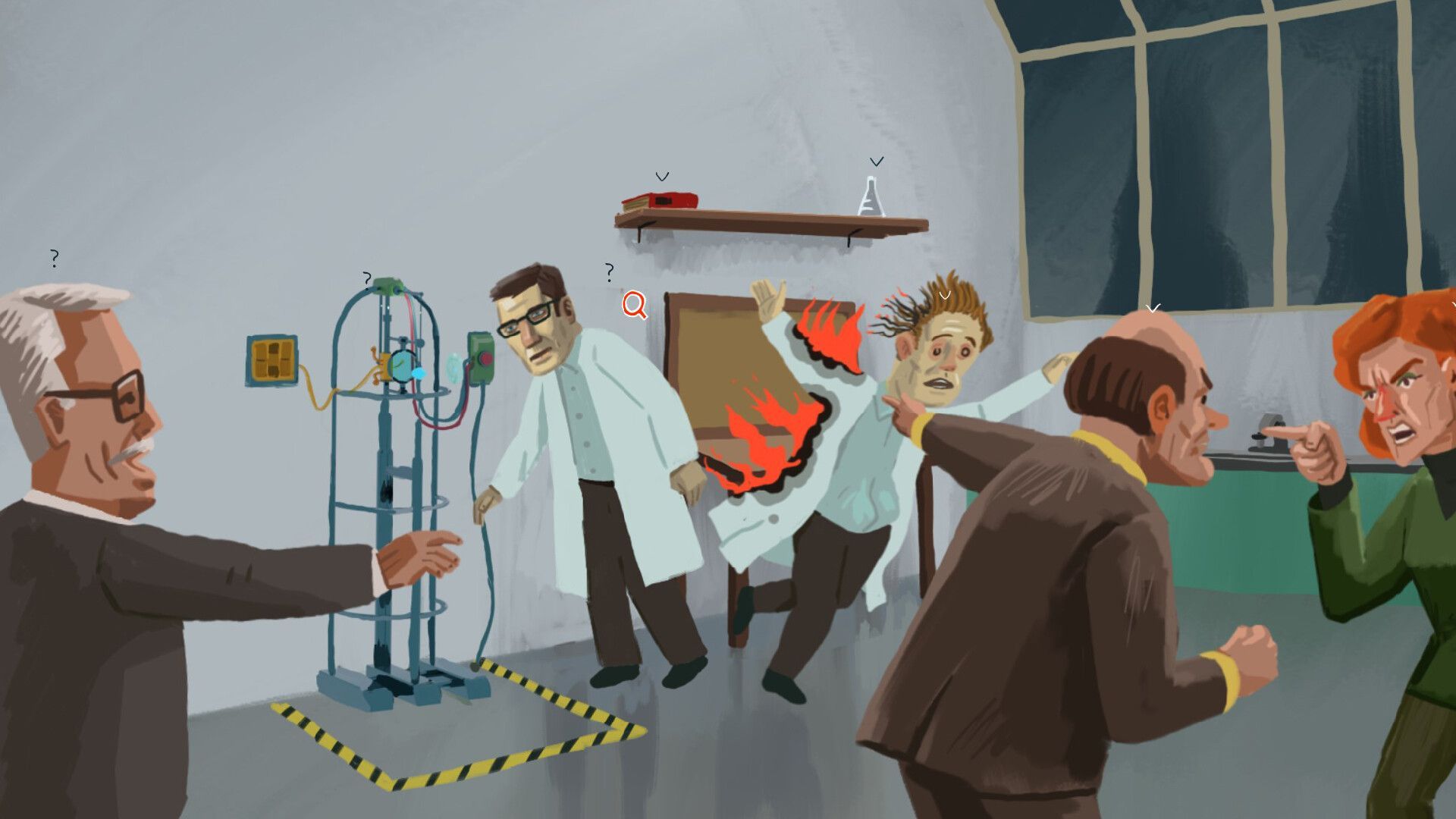
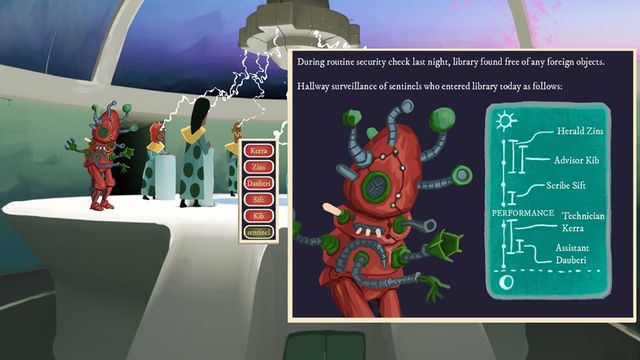
The Rise of the Golden Idol is a sequel to The Case of the Golden Idol; while the plot moved from the 1700s to the 1970s, the gameplay is essentially identical. Each case presents you with one or more scenes depicting a specific moment in time. Within the scenes, you look at evidence (highlighted with question marks so you don’t miss anything important) to get more information on what objects were around, what people were saying as the scene occurred, and any important notes present. You must then use your own skills of deduction and inference to figure out what happened.
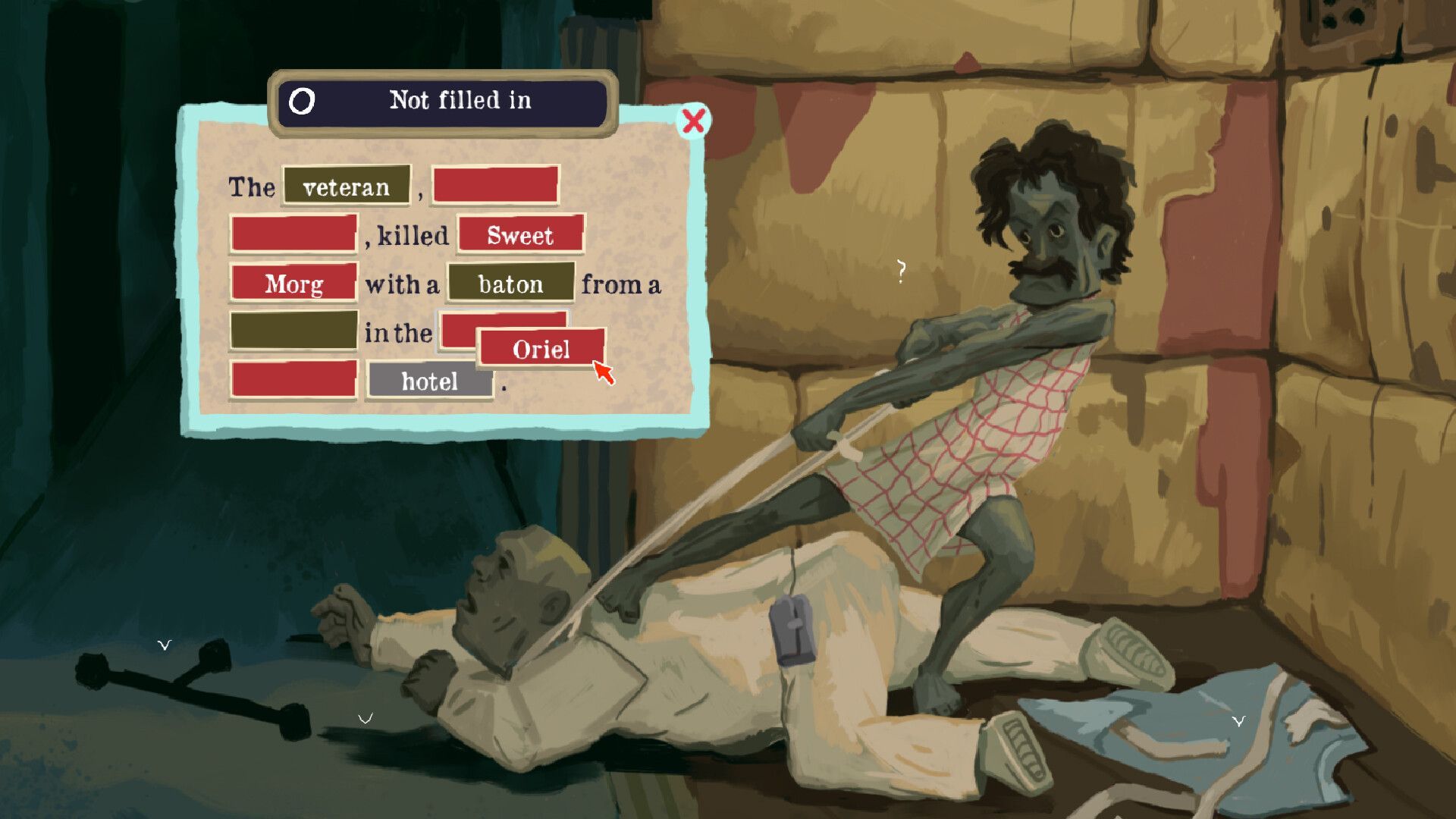
The actual test to prove your understanding of the scene consists in filling out answer panels riddled with blanks. For example, a sentence might read: ________ attacked ________ with a ________. You then use the names of people and objects from the scene to fill out the sentence, which might read: Arthur attacked Bertrand with a wrench. Once all sentences in the story panels are correct, the case is solved and the next one is unlocked.
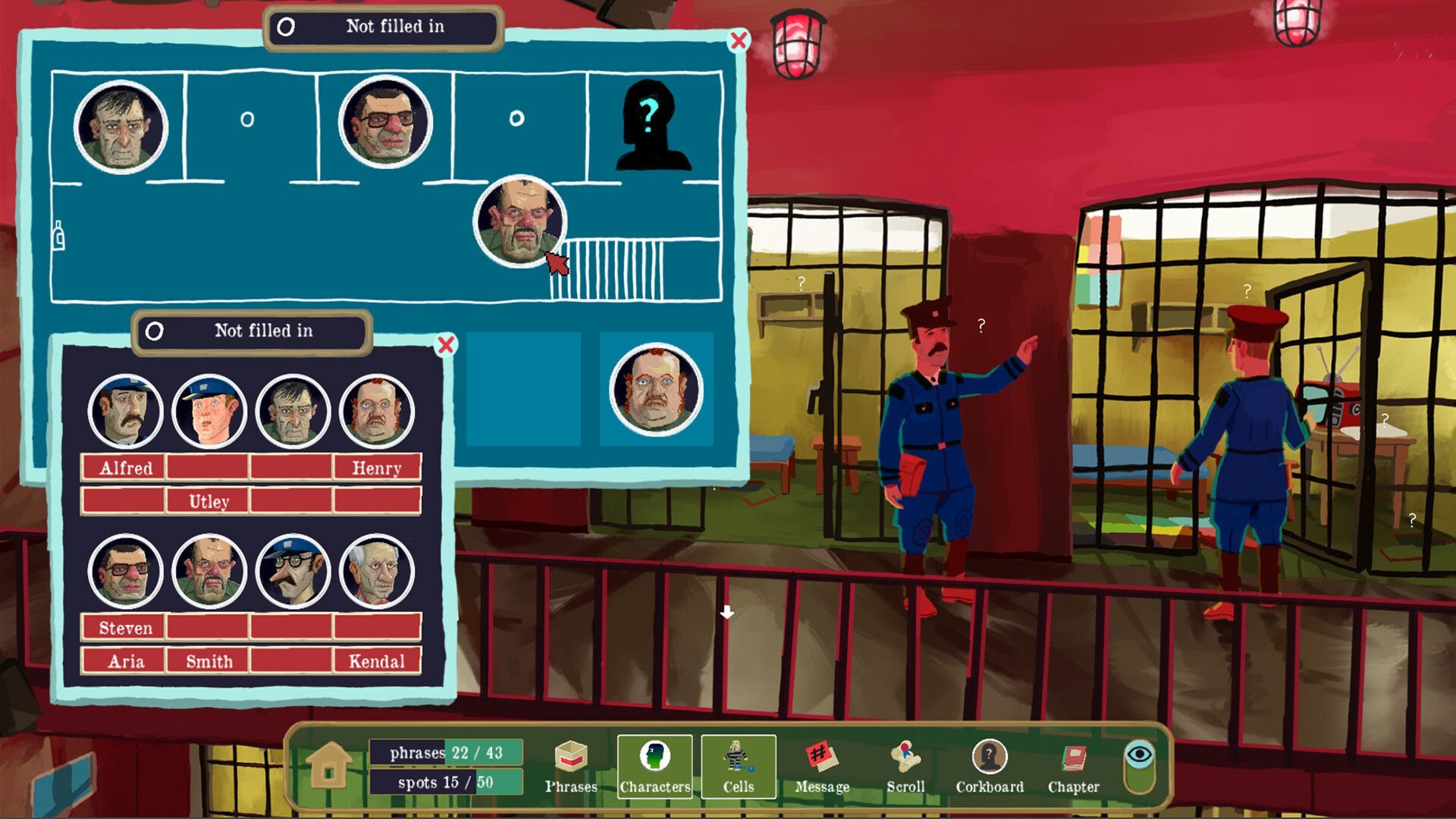
The Rise of the Golden Idol includes several features meant to guide you to a solution. Each case has optional panels for related deductions — such as all the characters’ names, or the meaning of a particular code — which are not necessary to advance but which are generally helpful for understanding the events. Improving on the original game’s interface, the panels appear as “pop-ups” over the scene, allowing for fluid cross-referencing of evidence.
In order to minimize unnecessary frustration, the game will tell you if you’re nearly correct but have only one or two words wrong in a panel: you’re on the right track, but might have missed a detail somewhere. The game also offers hints that nudge you in the right direction without giving the solution away outright — although it encourages you not to use them unless you’re truly, properly stuck.
Despite initially seeming distinct or disjointed, the cases quickly reveal themselves to be part of a greater story involving New Age spiritualists, scientists, and the mysterious golden idol itself. These cases are divided into chapters, and unlike the previous game, at the end of each chapter you must prove your understanding of the overarching story by solving additional panels tying the cases together.
Also unlike the previous game is the art style. While Case was rendered in pixel art, Rise is rendered in a much more painterly style. However, it’s still illustrated by the same artist as before (Ernests Kļaviņš) so it retains the series’ signature off-kilter character design.
This description was written by Asher Stone.

| Developer | Color Gray Games |
|---|---|
| Publisher | Playstack |
| Release date | 12 November 2024 |
| Genres | Puzzle, Detective |
| Vibes | Dark, Funny, Mysterious |

Expose a crime syndicate through four additional Golden Idol cases.

Solve four tempestuous cases that bridge the gap between both Golden Idol games.

Unravel five additional tales of power and deceit that shaped the troubled history of Lemuria.

Amidst the collapsing techno-society of ancient Lemuria, four extra Golden Idol cases await.
Send us your feedback, suggestions, or corrections







Expose a crime syndicate through four additional Golden Idol cases.

Solve four tempestuous cases that bridge the gap between both Golden Idol games.


The expedition to Monkey Paw Islands reaches a dark conclusion in this DLC featuring 3 new cases to crack.

Unravel five additional tales of power and deceit that shaped the troubled history of Lemuria.
Amidst the collapsing techno-society of ancient Lemuria, four extra Golden Idol cases await.

Learn about the origins of the cursed artefact in this mystery detective DLC with 3 new whodunits to solve.


Get a free thinky game to play and discuss, plus the latest thinky news and reviews, directly to your inbox every 2 weeks!