

-1280x720.png)
.png)
It happens in layers.
For the first couple hours, you prance around naively, soaking up the world, getting comfortable with the controls. Then you see it. A strange, a loose thread which, when pulled, leads you deeper, downward. You descend. The darkness is frighting, unfriendly, obtuse. You feel meaning there, the existence of puzzles to be solved, but you’re not ready. At a loss, you resurface and keep playing as normal, until once more you spot something odd. Out of place. Again, you descend, except this time the tunnel leads deeper. Culminates in a pit. And like any pit, it requires a commitment. You stand at the precipice, awestruck, intimidated. Ravenous.
You leap.
Such is the experience of playing a game about secrets. A game like EMUUROM. Games like these, to be enjoyed maximally, require a certain amount of blind commitment, which in turn makes them terrifying. I think just about everyone experienced in this genre has one title they put their faith in, trusted, gave everything to, only to have their back stabbed and heart carved out by an unsatisfying endgame or late-meta rugpull.
For me, EMUUROM absolutely rewarded my faith, but I think that’s a really subjective thing. And thus, I present this progressive guide to the hardest puzzle a Thinky gamer ever faces: Should you play this game?
This article is divided into four sections. The first is a bullet-point list of games similar to EMUUROM without specifics. The second section covers the span of the game's demo and the expectations it sets for the full game. Section 3 delves further into what specifically EMUUROM shares with other games. The final section is a Q&A answering specific questions about the game.
Layer 1: Game comparisons
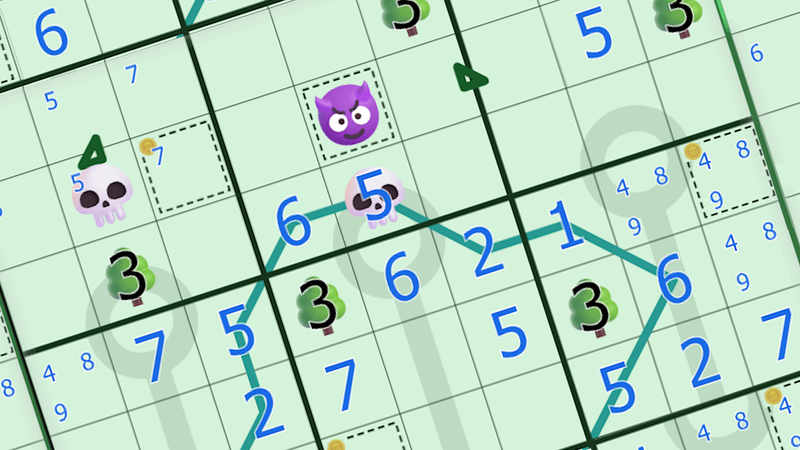
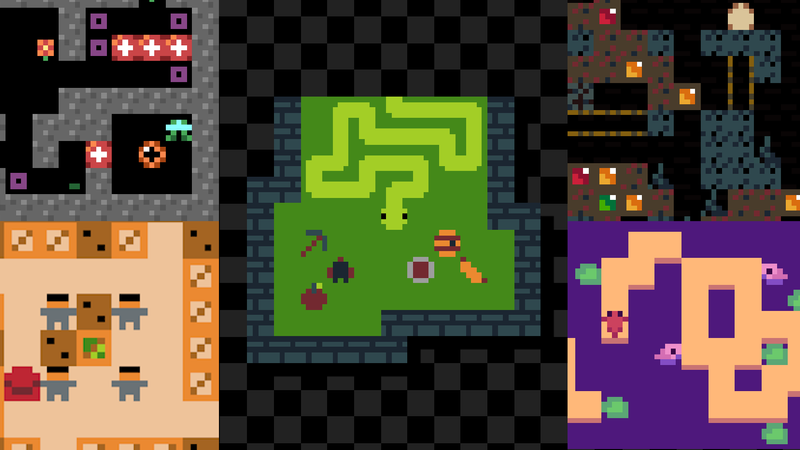
Here, in order of relevance, are some games that either directly inspired EMUUROM, or the game happens to resemble:
- Animal Well
- La-Mulana
- Environmental Station Alpha
- Toki Tori 2
- Leap Year
- Void Stranger
- Tunic
Which elements of those games EMUUROM draws from, I’ll detail in Layer 3. For now, suffice it to say that EMUUROM does its forebears proud.
Layer 2: Demo as a reference point
Spoilers for EMUUROM’s first hour.
Did you play EMUUROM’s demo? So did I, and while I had fun, I also had some…let’s just call them concerns. If you too had concerns, let me try to allay them by explaining which parts of the demo are representative of the full game and which aren’t.
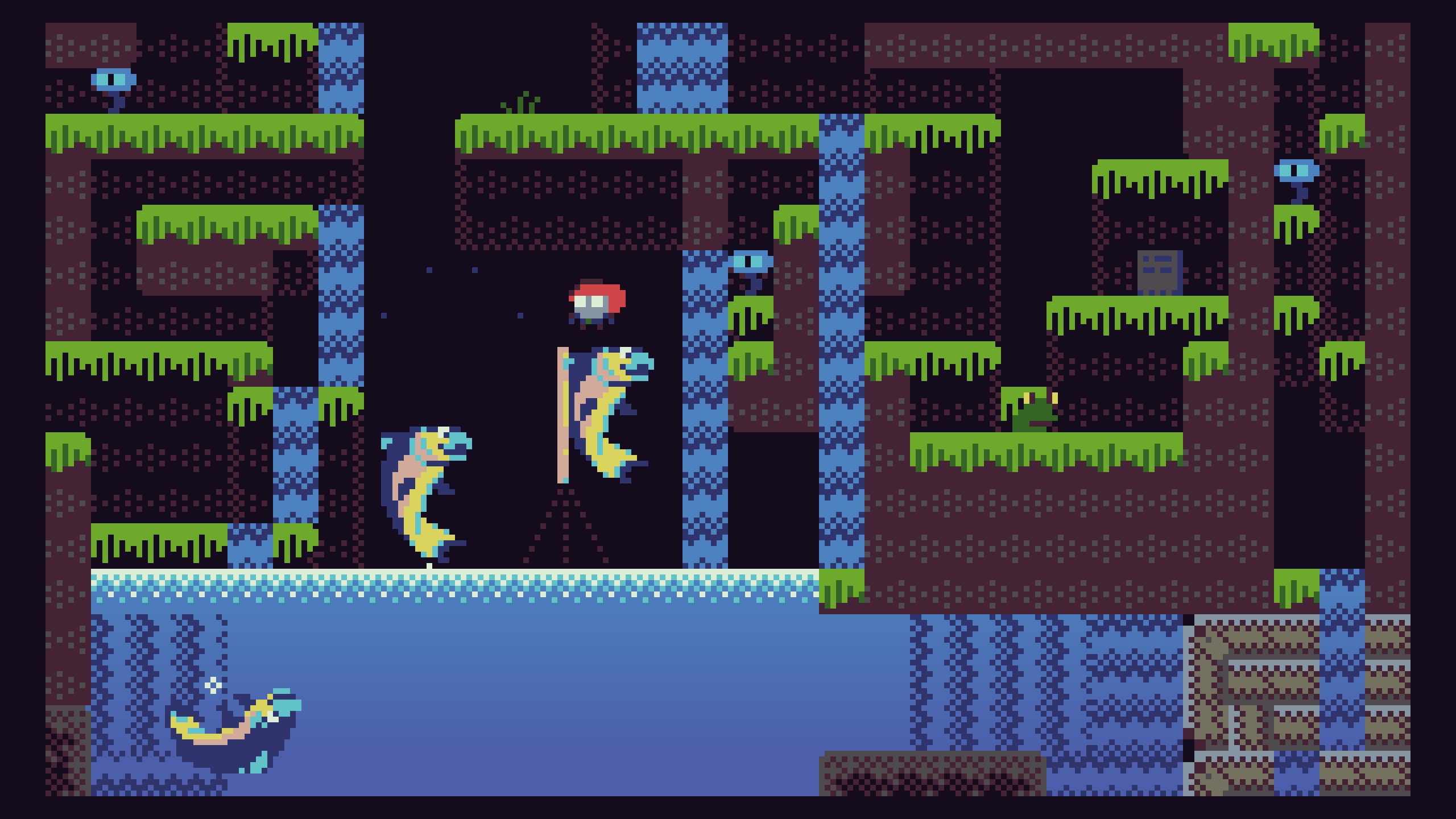
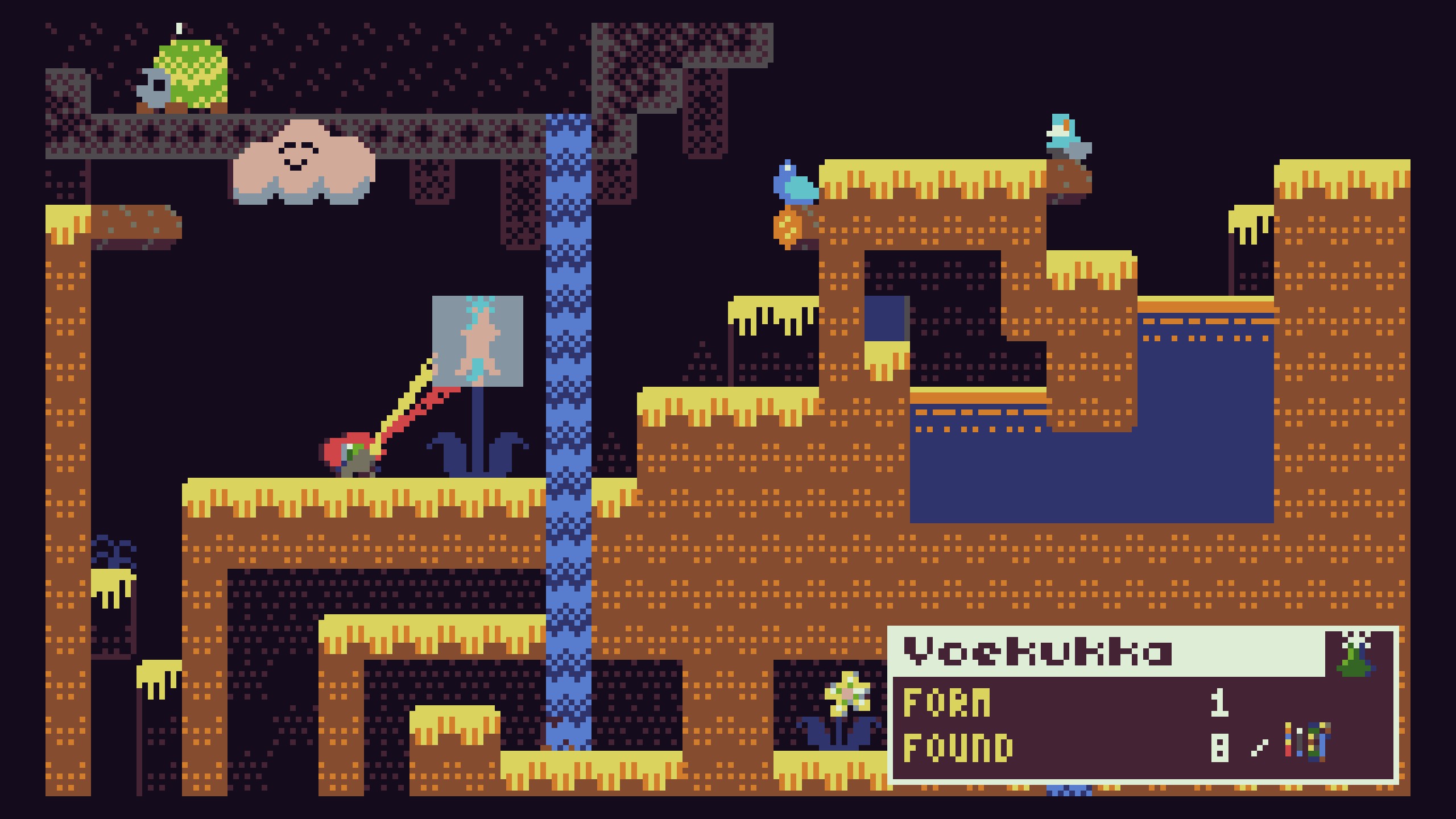
The main difference is how the game controls. In the demo, air movement lacked a drag coefficient, which, while retro-authentic, just felt gross to handle. This, I’m happy to report, has been fixed. Now, air movement feels buttery smooth. Additionally, the controls for the scanner in the demo were awkward and confusing. This too has been improved. The beam of the scanner now consistently goes where you expect it to, and the method for activating it has been switched from a toggle to a hold, which I find way more intuitive. (The old toggle version is still available as an option, though, if you’re weird like that.)
Otherwise, the demo is basically the first hour of the full game, with few differences. The full game is just as janky, for example, so if you bounced off that element, you might want to stay away. For what it’s worth, the game does leverage that jank to great effect.
The biggest thing I think the demo fails to represent is the game’s depth. In some ways, this is a game about riding birds and trampolining off worms, but there’s also a lot more to it, layers on layers to discover. For context, reaching a point where I felt I had “finished” the game took me 45 hours. Take that as you will.
Layer 3: Comparisons detailed
Here, we return to the comps above, and I give some light details about how EMUUROM resembles them. I’ve tried to avoid spoiling the comps themselves as much as possible, but there’s only so much I can do, so tread carefully if any of them are on your backlog. Individual titles are spoilered for your convenience.
Animal Well: Vibes. The non-violence. The discrete “layers” to the game, which aren’t all apparent at first. Most of all, the willingness to make design choices that others wouldn’t. The games are strange in a similar way, and have a similar sense of humor. EMUUROM doesn’t really take any specific mechanics from Animal Well, but if you loved that game, you’d be crazy not to at least try this one.
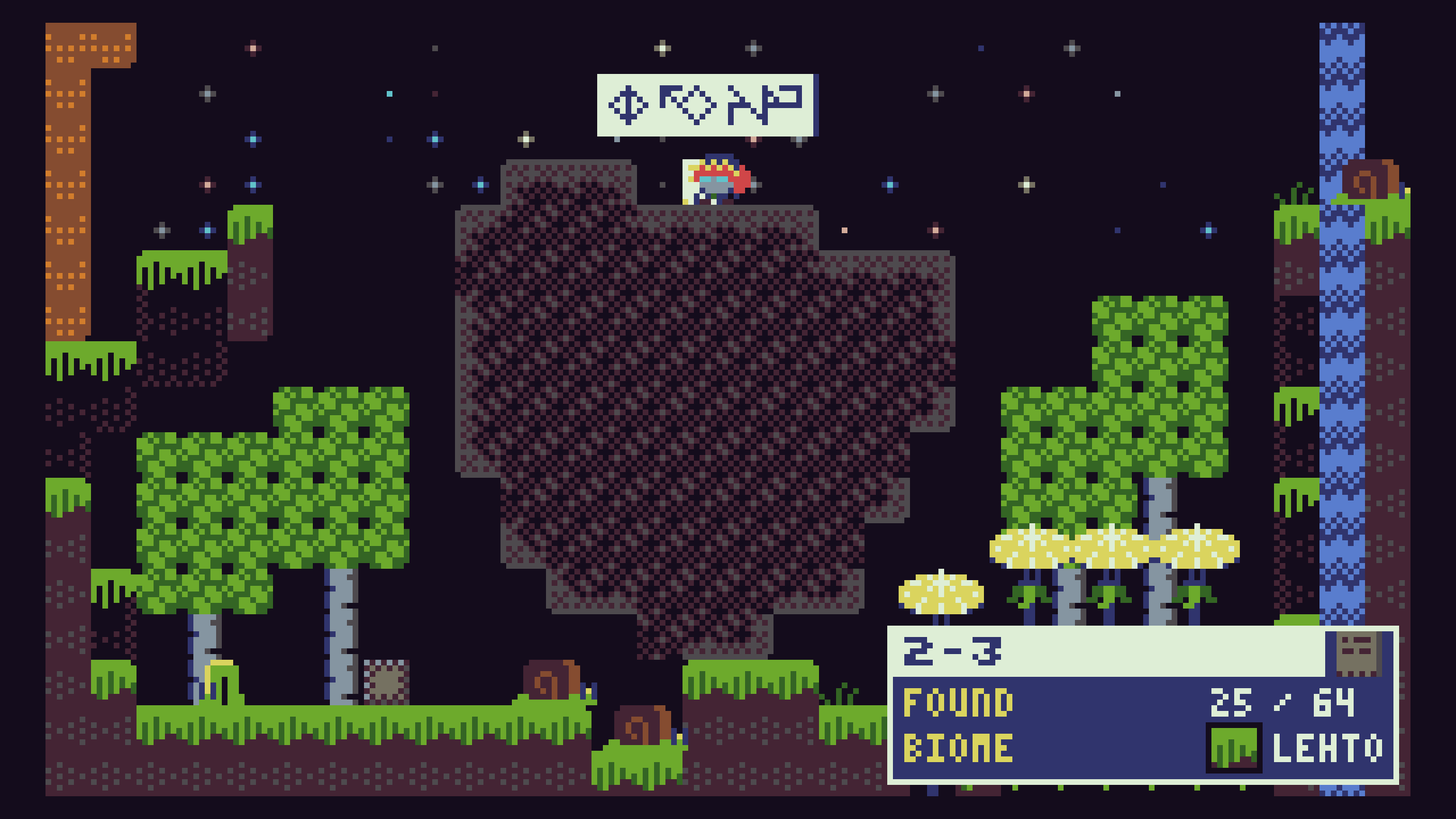
La-Mulana: Some of the lore vibes. Mostly the scannable tablets, which contain crucial, but cryptic, hints. In a major improvement, however, EMUUROM logs the text of every tablet you read, so you don’t have to worry about taking comprehensive notes.
Environmental Station Alpha: Some of the endgame stuff and much of the way secrets are concealed. That said, EMUUROM has more quality of life features and makes the process of hunting for those secrets quite a bit easier.
Toki Tori 2: It’s a metroidbrainia where you use a few simple mechanics in a bunch of creative ways to manipulate kooky creatures into helping you traverse the world. To be honest, I haven’t actually played Toki Tori 2, only seen footage and read about it, so I can only speak so far on it.
Leap Year: A pretty big portion of EMUUROM involves bouncing from one platform to the next, with the height of that bounce affected by the height you started. That’s about it.
Void Stranger: Mostly the multiple endings structure. Less the lore. EMUUROM does have some lore, and it’s interesting and adds a lot of enjoyment to the experience, but understanding it isn’t required to progress through the game. Nor does it go particularly deep. Don’t expect any four-hour lore analysis YT videos for this one.
Tunic: The translatable runic language, to an extent. Tunic’s is more in depth though, and more relevant to actually playing the game.
Q&A: Surfacing
In reading comments from people interested, but not yet committed, to playing EMUUROM, one emotion prevails: fear. People are afraid of putting dozens of hours chasing rabbits which will ultimately disappoint, or worse, betray, them. This fear comes from trauma, from playing games before which saw immense praise on release, claimed to have awesome depths to uncover, but in the end turned out to be more frustrating than elating. So let me end by answering some of those fears in simple yes/no fashion:
Q: Does EMUUROM’s worldbuilding cohere into a grand, satisfying narrative, or is it just a bunch of random ideas thrown in there for flavor?
A: Somewhere in between. It has a coherent narrative, yes. However, grasping the deeper nuances of that narrative, while occasionally helpful, isn’t necessary to complete the game.
Q: I see a bunch of cryptic runes in the trailer. Does that mean there’s an alphabet to decipher? Is that satisfying? Do I need to do that to complete/enjoy the game?
A: Those runes have meaning, and reading them can help solve certain deeper layers of the game. That said, the act of deciphering those runes isn’t gamified to the extent that a dedicated language-decipherment game, like Epigraph, does. More specifically, you do not need to translate the runes to reach the “true” ending of the game. But it is fun and rewarding!
Q: How much dexterity does the game require? Will I need to be a skilled twitch platforming player in order to see the game’s conclusion?
A: Yes, to an extent. Though if you’re willing to put in the time and mental energy to collect them, there are means the game provides to ease the difficulty of some of the action sections. Still, many late game “puzzles” require precise inputs and timing to complete, which the game offers little means to mitigate. You can probably bumble your way to credits without much skill, but truly completing the game will require some serious action gamer chops.
Q: Will I need a notebook? How much should I / will I need to be jotting down everything I read/see?
A: This is not Blue Prince. Nor, despite appearances, is it La-Mulana. You will likely want to take some notes, a to do list of unsolved mysteries, e.g., but the game actually keeps a log of all the text you’ve ever been presented, which can be accessed at will.
Q: Is this really even a puzzle game? I.e. is it just a thinky metroidvania, or does it have discrete, systemic puzzles?
A: More the former. It does have discrete puzzles, though those puzzles aren’t very logicky. They’re usually more about lateral thinking and the creative application of a given set of tools. Don’t get me wrong, though. You’ll definitely need to use your brain. Just don’t expect to be pushing crates around a grid.
Q: Okay, I’ve played the first couple hours of the game, and idk… It’s mostly just some janky platforming. Is there really anything more going on here?
A: Yes. Keep going.
And that wraps it up. I had fun writing this, and I hope it helps at least one person out there make an educated decision about whether to play the game. Happy trails!
Disclaimer: Thinky Games is a Carina Thinking Games Initiative and may have professional relationships with individuals and businesses related to the subject of this article. Please see our Editorial Policy for details.