

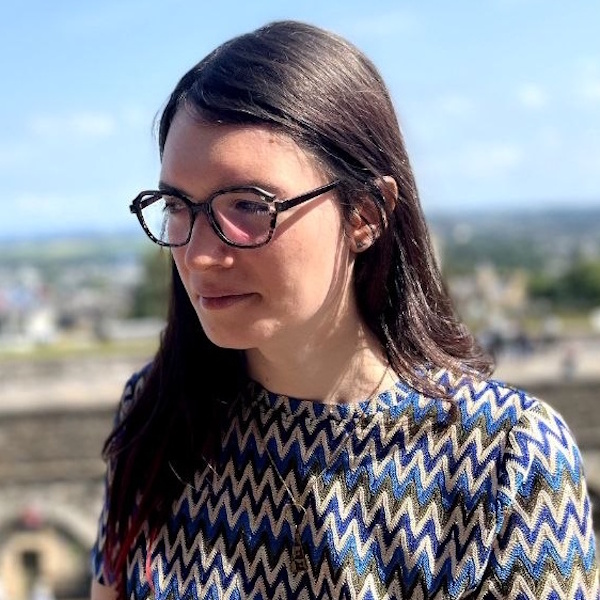
As part of Pride Month, Thinky Games is joining in the celebrations by publishing a series of Q&A interviews with LGBTQ+ video game developers and artists. Today we chat with Ente and radow, who both worked on the route-plotting game Trails as part of Berlin-based cooperative Purple Sloth Studio.
Q: Hello and thank you for taking the time to answer our questions! Can you introduce yourselves and describe Trails for us?
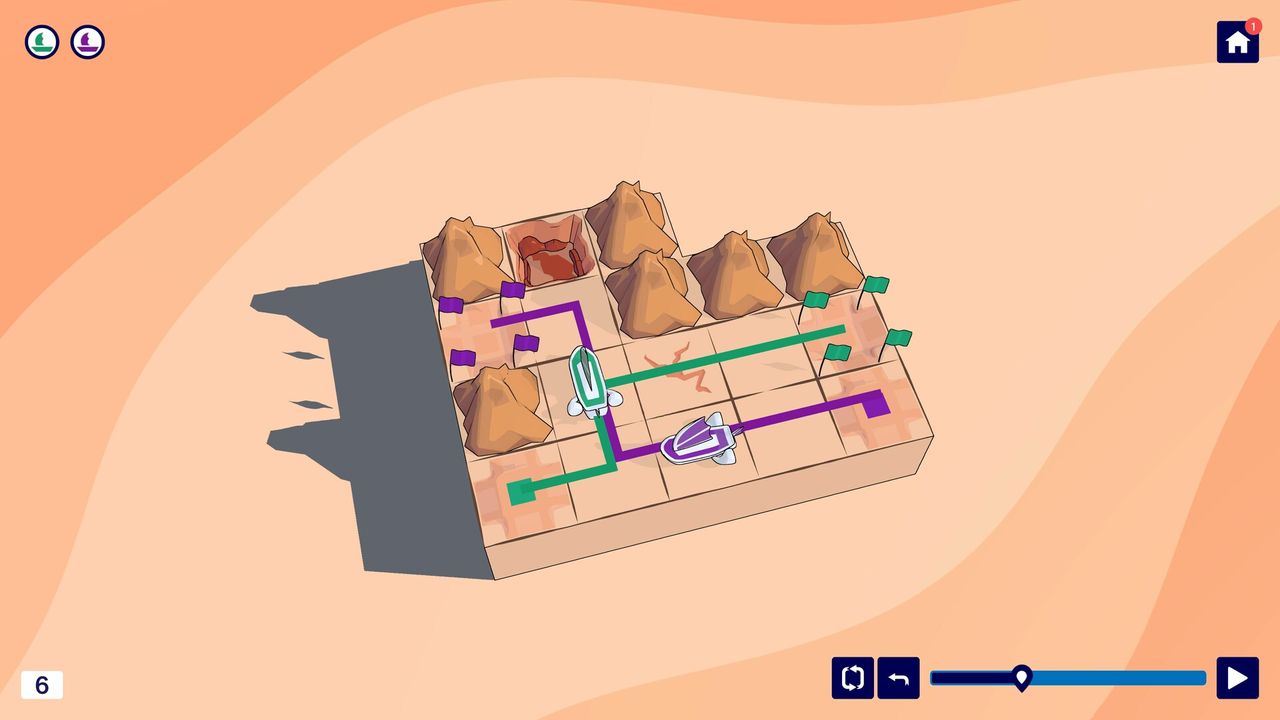
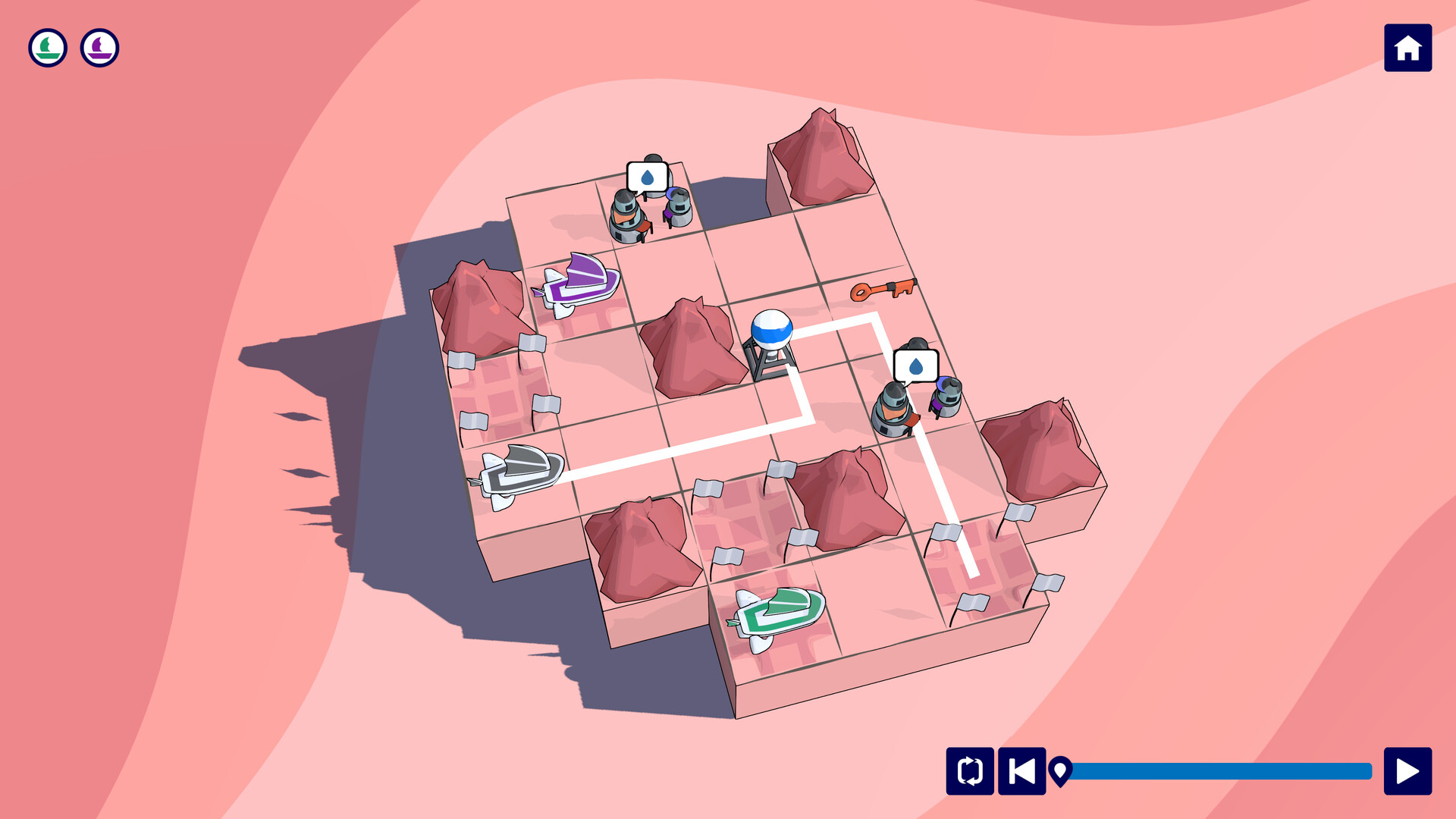
Ente & radow: Hi everyone, we are Ente & radow and are part of Purple Sloth Studio, a worker-owned queer indie studio. Last year we published Trails, a pathfinding puzzle where you navigate sandships through a rugged wasteland while avoiding collisions and hazards and delivering precious resources to remote outposts.
Q: How did the project begin? Was there an intention to make a full commercial release from the start?
Ente & radow: Yes. At the time we started to work on Trails, we were looking at several funding opportunities for larger projects but knew that there would be a few months before any of them would materialize. So after an initial brainstorming and prototyping phase we set a pretty tight schedule and started to work.
Q: Which parts of producing the game did you most enjoy?
Ente & radow: Trails started with a promising idea, but also a lot of room to explore and refine its core mechanics. Early on we worried that complexity would primarily come from increasingly large and messy levels. While drafting early level prototypes one of us managed to create a level that was small and simple to take in, but took a surprising amount of time to solve. That was the moment we thought: yes — we have a game here.
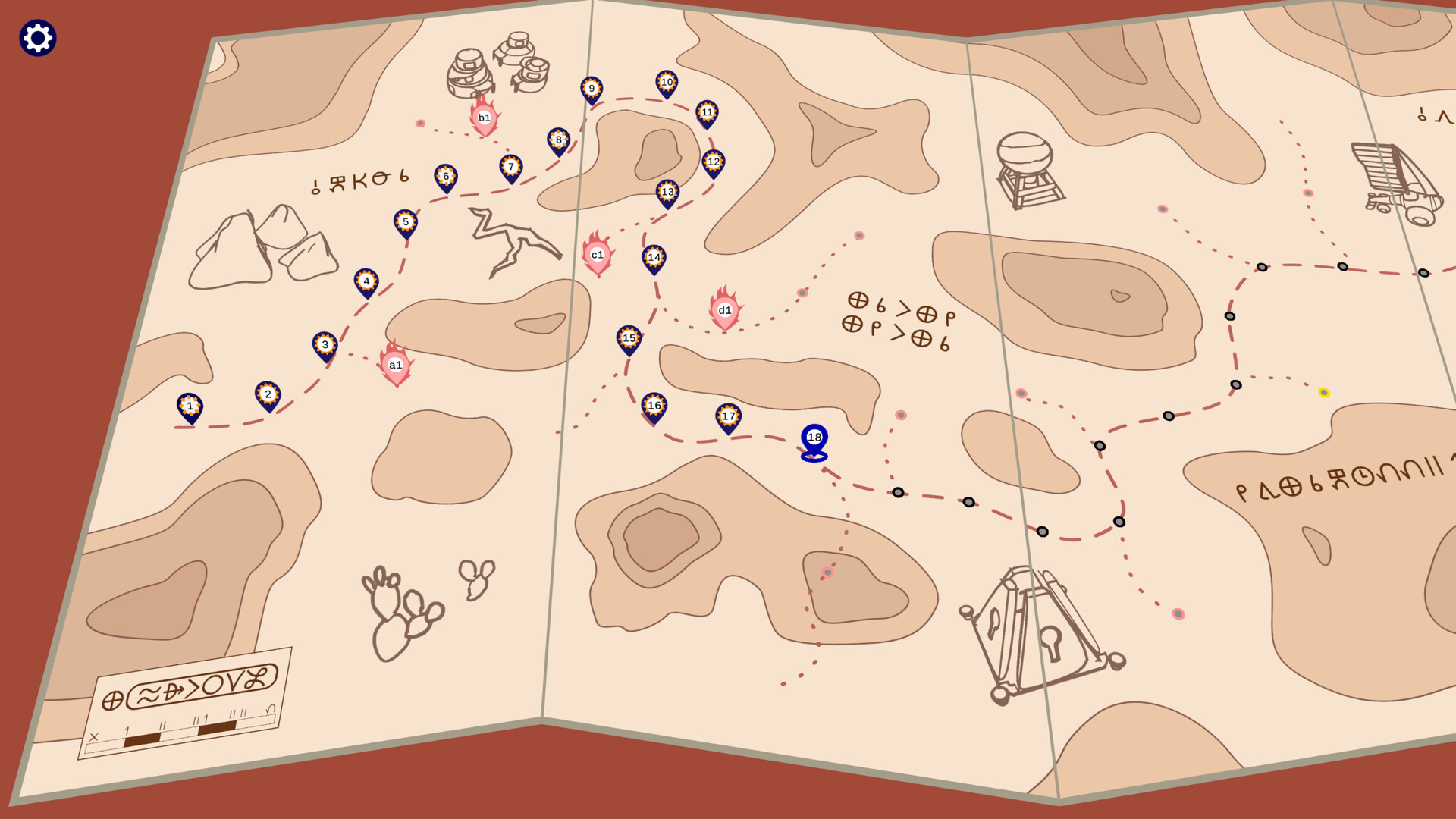
Q: I liked how compact and neat the levels felt. It adds to the cozy vibe of the game, despite it taking place in a wasteland. The level select map is another quietly immersive element. What drew you to this atmospheric setting?
radow: The game started as a purely abstract puzzle game and we then explored a bunch of themes, many of which felt too generic or disconnected from the actual gameplay. The wasteland theme we ended up with inspired many of the secondary mechanics (like delivering ressources), strengthening the connection between setting and gameplay.
Ente: I love games and stories that give hopeful perspectives on real world problems. In a world where desertification and climate change are increasing problems, a post-apocalyptic wasteland can explore all of this. Without much direct storytelling we still wanted to illustrate that cooperation and communities can thrive even in difficult circumstances.
Q: Were there parts of the game’s development or publishing you struggled with?
Ente & radow: Absolutely. Our initial timeline was a bit too ambitious and it took us longer than expected to settle on a style. As a small indie studio with no dedicated expert for marketing, we also didn't reach as many people as we had hoped.
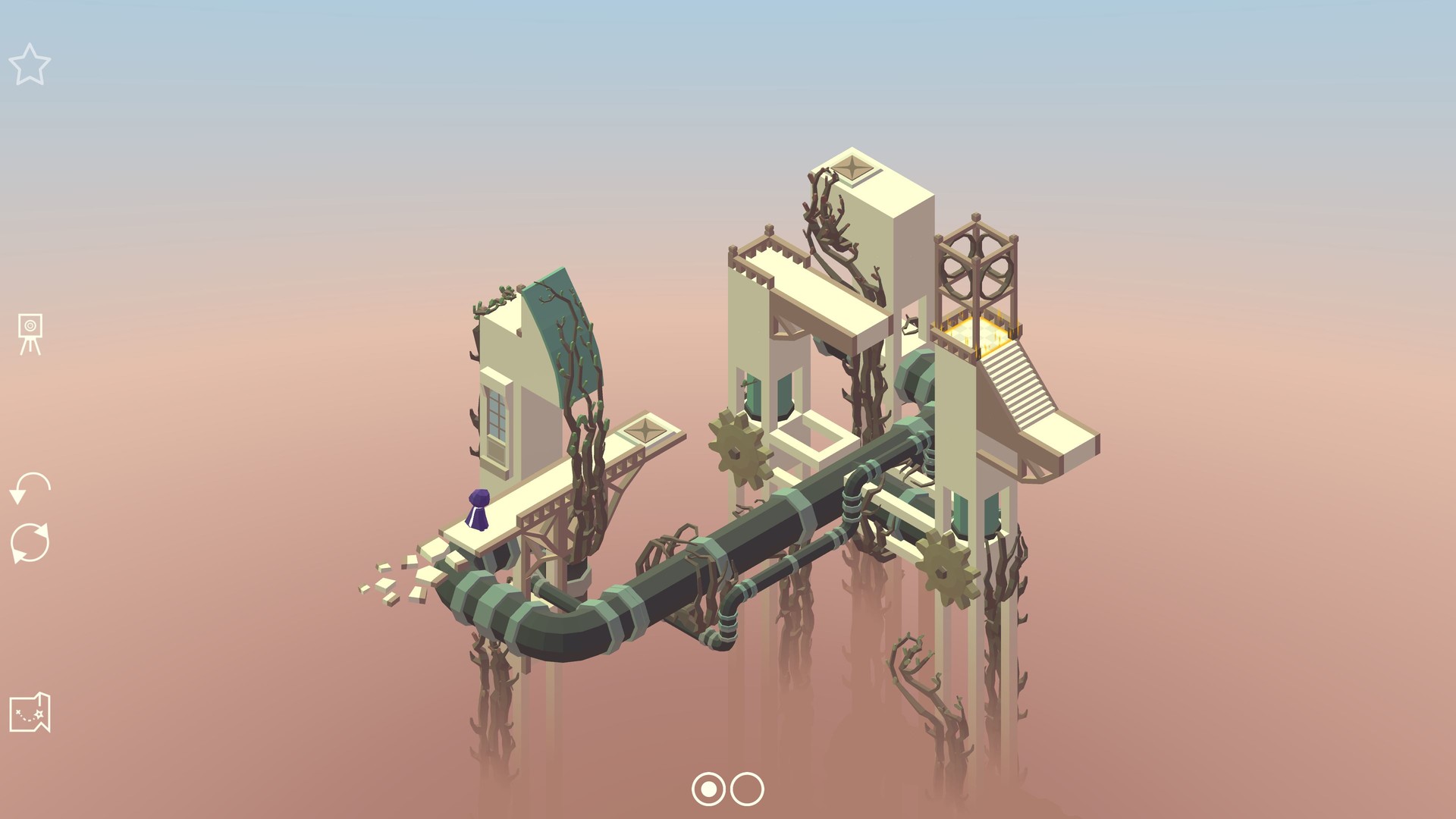
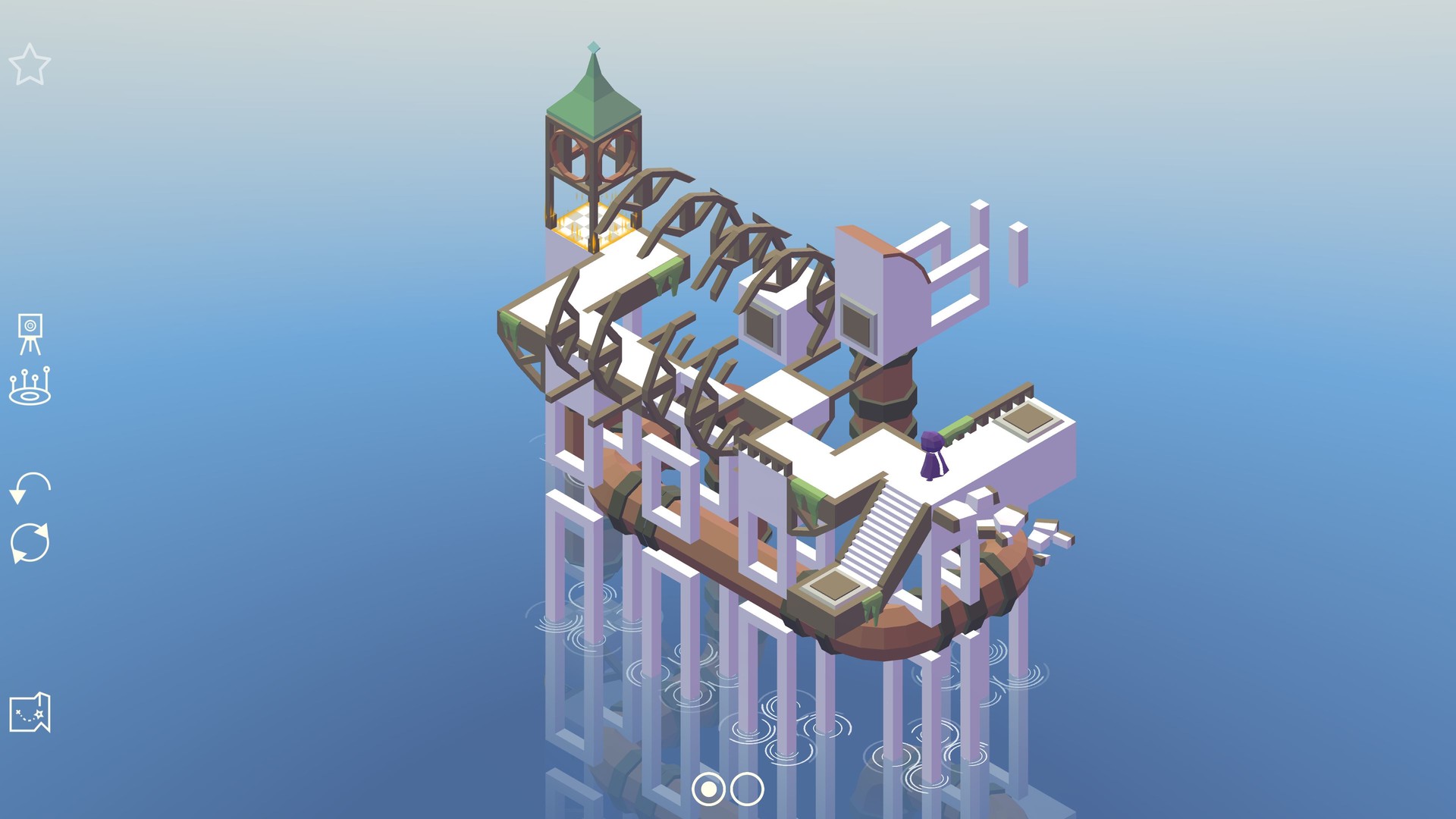
Q: Before Trails, you released Chronescher, a game based on perspective tricks and record-and-replay mechanics. Both games feature accomplished puzzle design. One major difference though is that you’ve made the most challenging levels of Trails entirely optional. What motivated this approach?
Ente: In Chronescher we observed that there were a few levels early on the golden path, that people would get stuck on and then simply give up. On top of that, the optional more difficult levels weren't labeled clearly enough.
radow: One of our big goals for Trails was to provide a smoother difficulty curve without sacrificing our aim to fully explore the mechanics and create the most challenging and technical levels we could think of.
Q: What are your next projects, game-related or otherwise?
Ente & radow: 2024 and 2025 were pretty rough years, with multiple projects either falling through or not doing as well as we had hoped. Sadly, this forced us to take a step back from the kind of active and commercial development we had been doing. For now, we are still supporting the games we have published and working on non-commercial passion projects while keeping an eye out for future opportunities for larger commercial projects.
Q: Any game recommendations you'd like to share? We’d love to hear about games you enjoyed recently, whether thinky or not.
radow: I recently re-discovered tactical RPGs in the Final Fantasy Tactics tradition and especially enjoyed 2019's Fell Seal: Arbiter's Mark.
Ente: I really liked the vibrant world and artstyle of 30 Birds. It's one of the most beautiful games I have played recently.
Q: Finally, do you have any advice for LGBTQ+ game developers out there?
Ente: Find or build communities that empower you! There are still a lot of discrimination and extra hurdles we face as queer and other minority members in the gaming community. We need to support each other both as game devs in the industry and as players and community members & organizers.
radow: We have experienced this particularly strongly with our game What's Your Gender?, that explores terms and concepts related to gender and identity. Perhaps unsurprisingly we have received a fair share of harassment and hate speech. At the same time WYG is the game where we have had the most heartfelt and meaningful comments from people who really connected with it. It's this amazing community that helps us deal with the nasty stuff.
Trails is available on itch.io and on Steam for Windows, Mac and Linux, and also on Google Play for Android and on the App Store for iOS.
Read our previous Pride Month articles:
Disclaimer: Thinky Games is a Carina Thinking Games Initiative and may have professional relationships with individuals and businesses related to the subject of this article. Please see our Editorial Policy for details.